Guinea
In Guinea, 7,163 people directly benefited from our activities this year, while 173 women strengthened their leadership and took an active role in the development of their organizations and communities.
Femmes Pro-Forêts



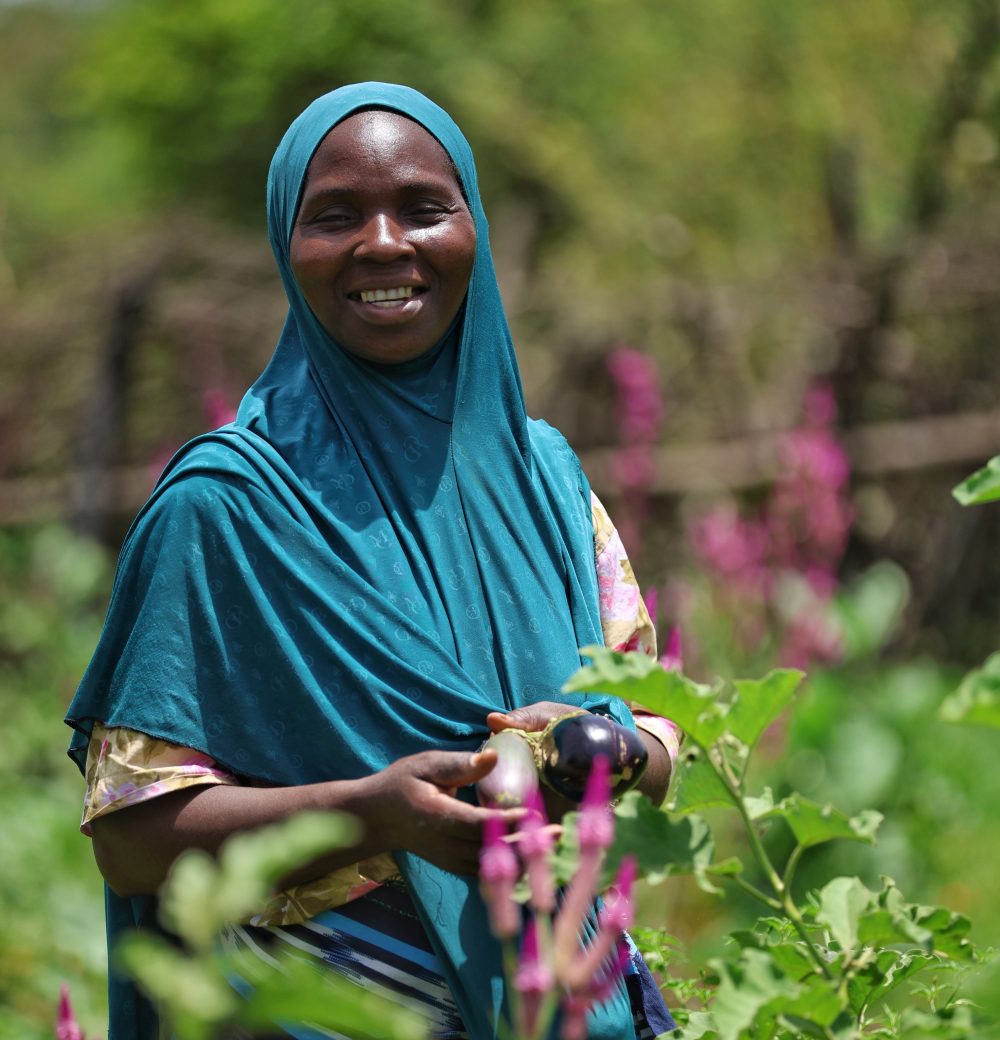
Since 2023, the Femmes Pro-Forêts (Women for Forests) project team has been working to help women and young women living in and around the Moyen-Bafing National Park adapt to climate change.
Thanks to the involvement of numerous partners and stakeholders, the project addresses three priorities at once:
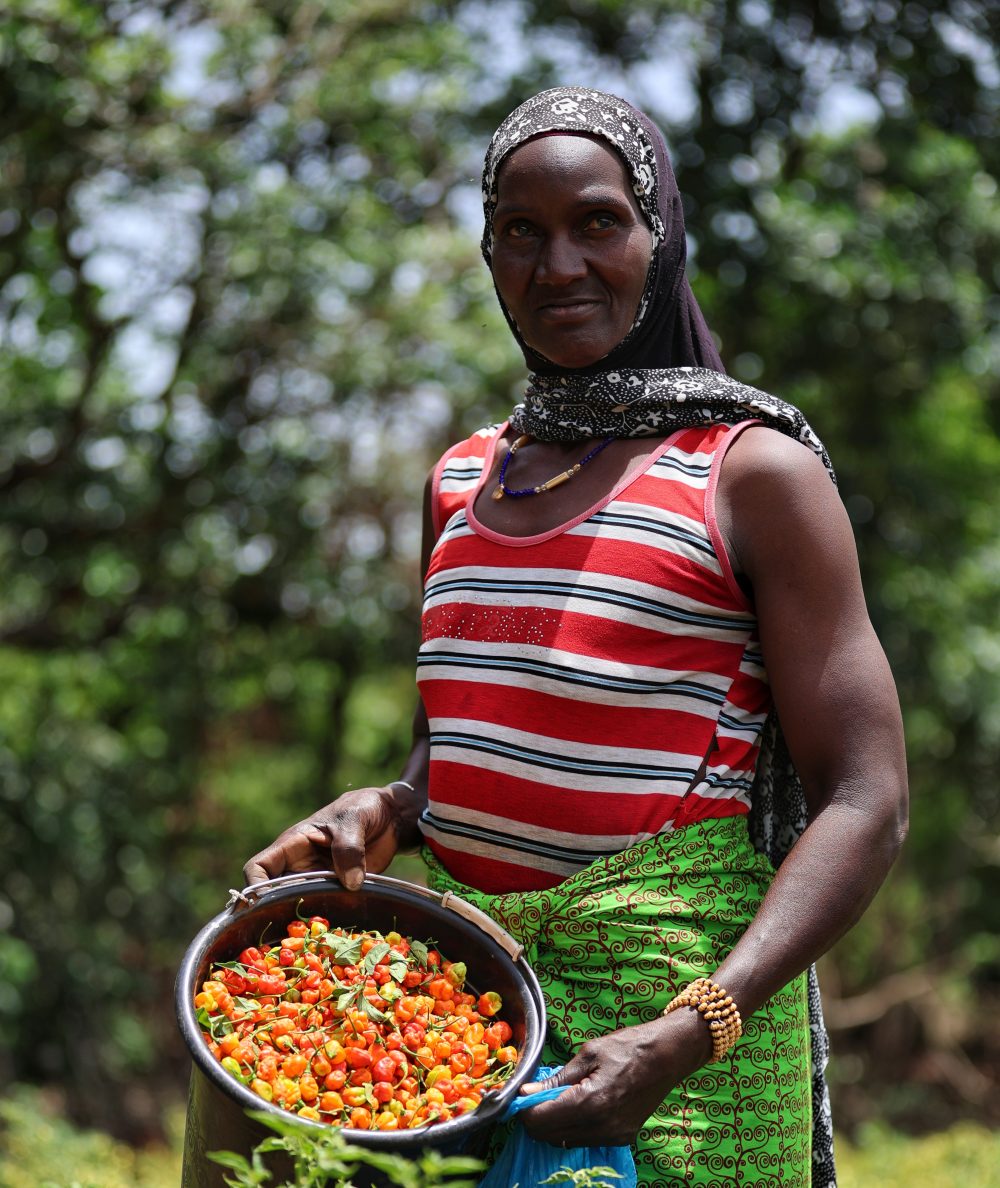
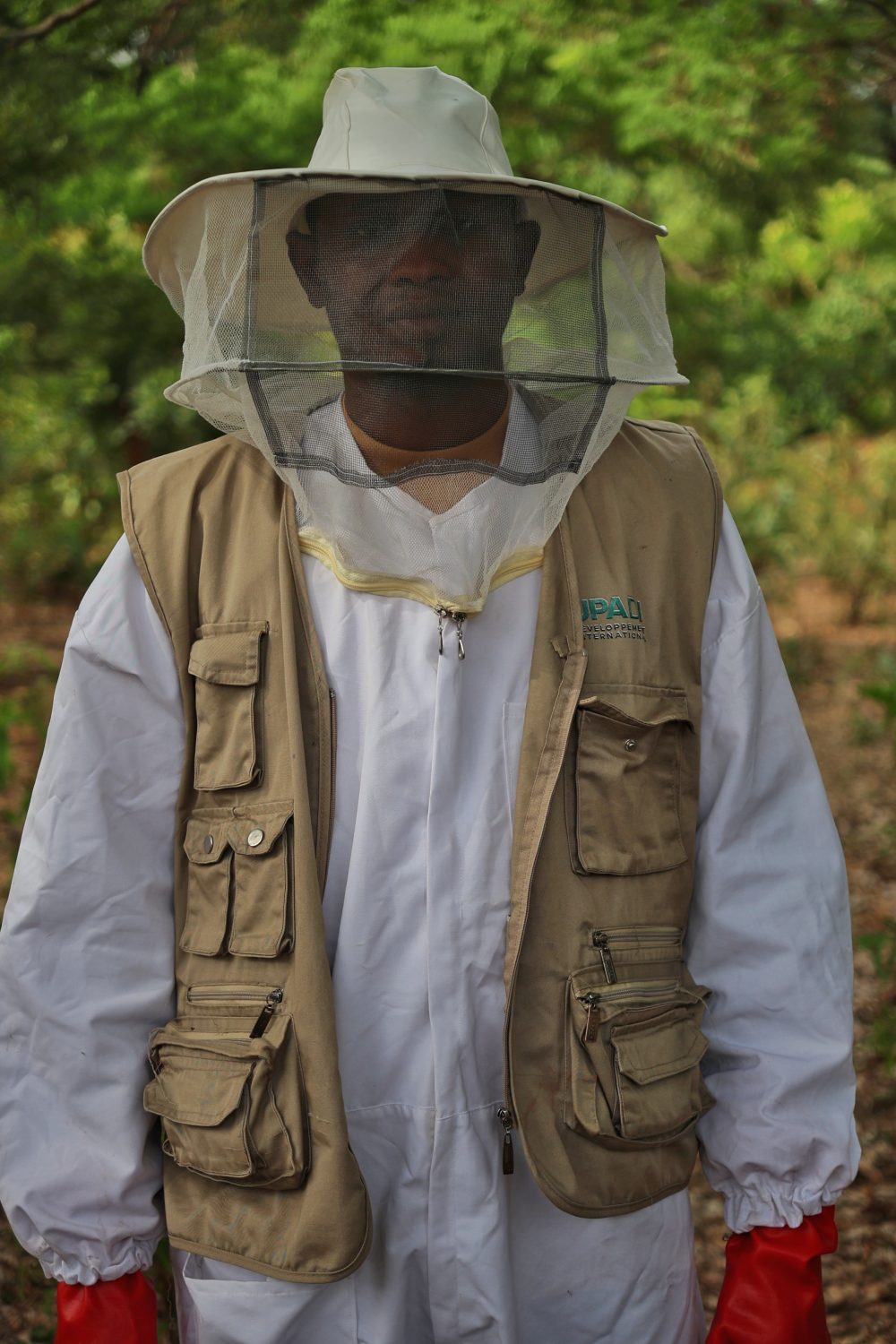
- Helping women develop income-generating activities based on non-timber forest products, particularly through the production and processing of honey and shea butter;
- Promoting nature-based solutions to restore and protect biodiversity;
- Supporting more inclusive and sustainable management of natural resources.
Once again, this year’s achievements demonstrate the project's tangible impact in this country.
Biodiversity and Reforestation
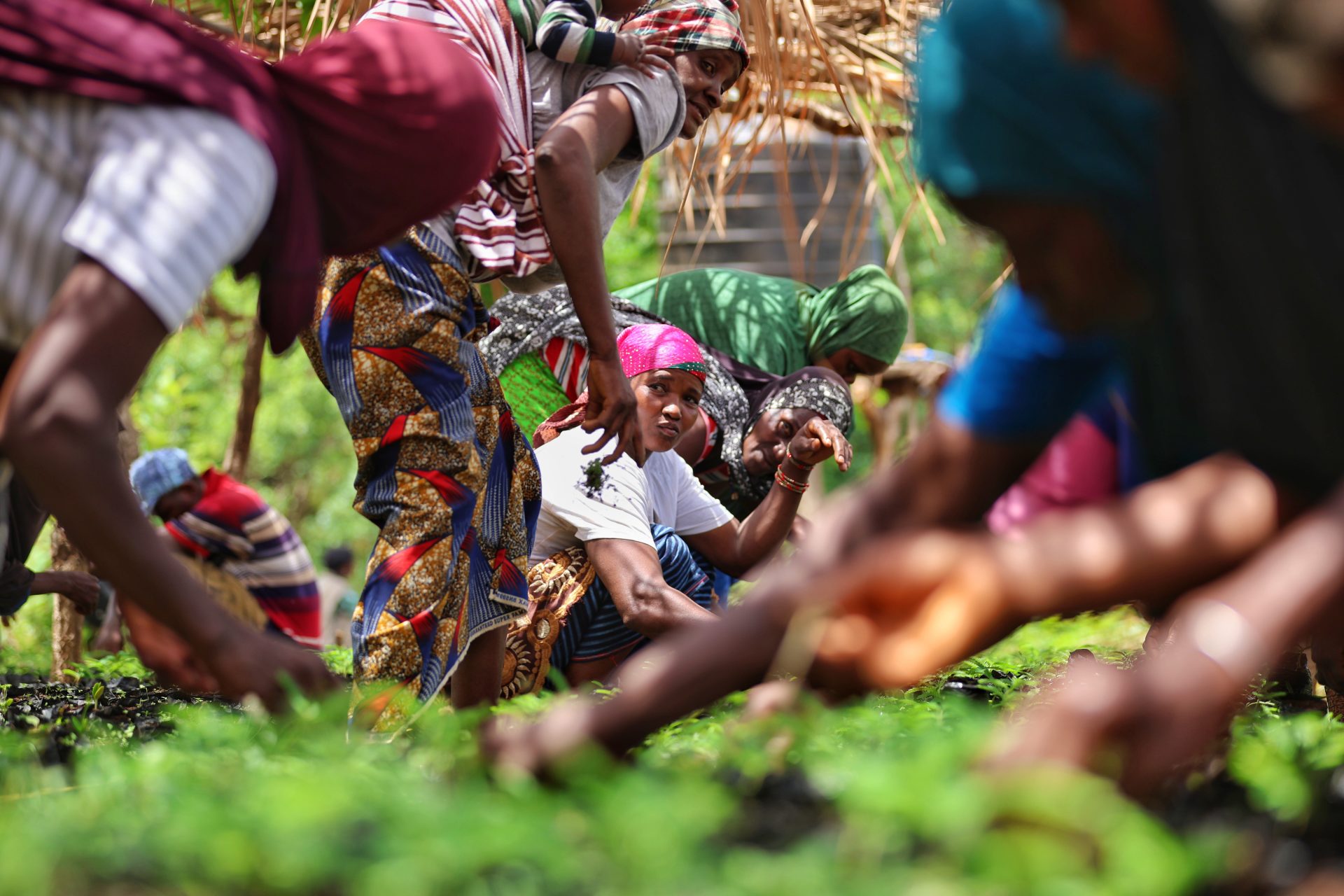
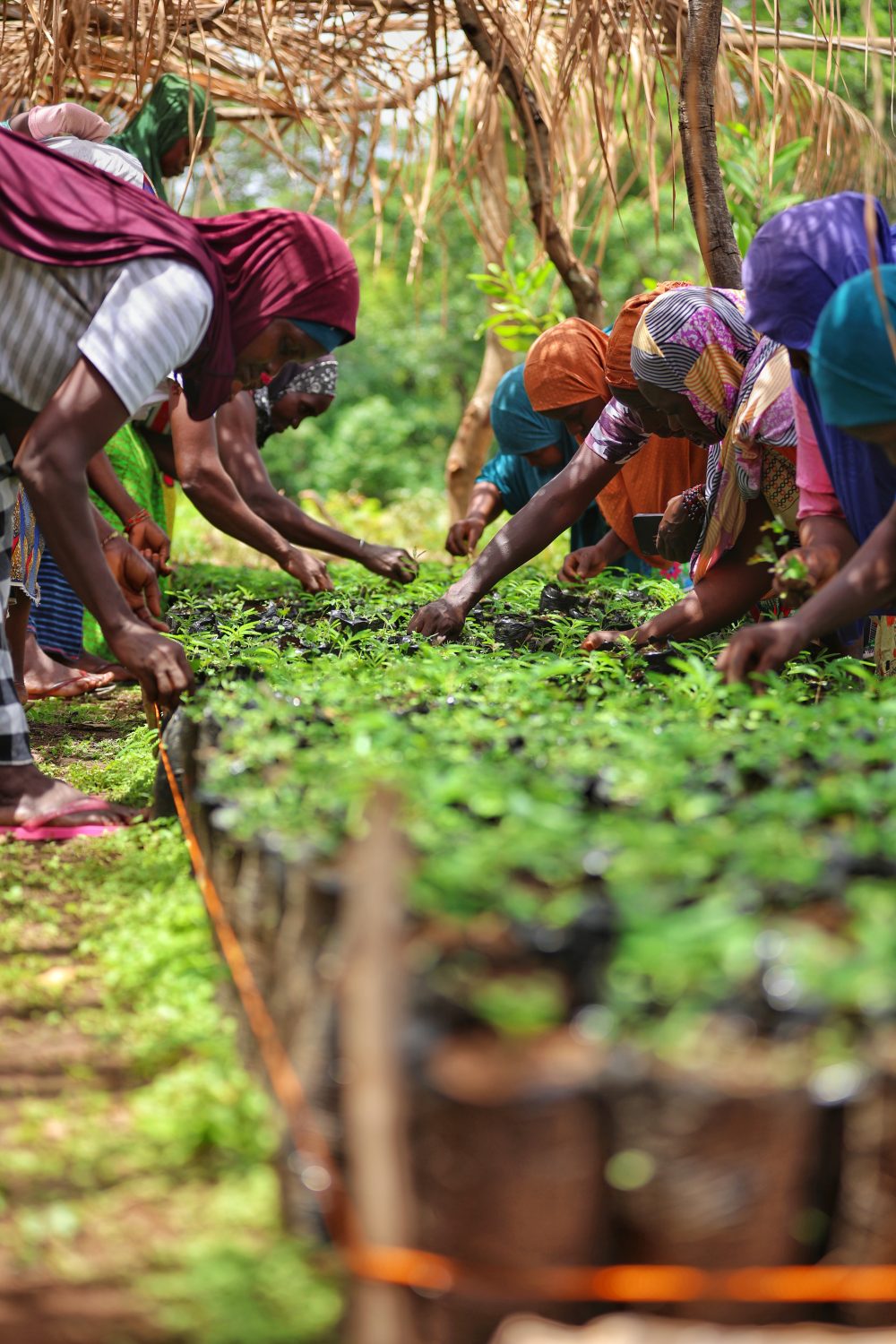
The six community nurseries established last year produced more than 540,000 fruit and forest tree seedlings to support reforestation efforts in the park. In addition to contributing to biodiversity conservation, the nurseries generated average revenues of more than 73 million Guinean francs each.
Thanks to these efforts, 636.5 hectares of forest were restored using a functional diversity approach, and 627 people, including 347 women, received training in reforestation techniques.
Two woodyards were also established to transform forest residues into fuel for cooking and heating. This innovative approach helps reduce carbon emissions and has generated strong interest among local communities.
Opportunities for Women and Young Women
To improve agricultural productivity while protecting the environment, 669 people, 70% of them women, received training in durable agricultural practices through 21 farm schools and four training apiaries.
Fourteen development hubs for the honey, shea, and vegetable value chains were established to support local economic development. These initiatives now reach 50 villages and involve 80 farmers' organizations.
Finally, 156 women and 121 men took part in living labs aimed at reducing the physical burden of tasks traditionally carried out by women and girls. Together, participants identified 44 solutions tailored to local realities. A more equitable sharing of responsibilities will allow women to devote more time to income-generating activities and community leadership.
Inclusive Natural Resource Governance
In April 2026, the National Forum on Inclusive Governance brought together women leaders from the park, along with representatives from civil society organizations, government institutions, and other stakeholders, for a three-day forum in Conakry.
The forum provided an opportunity to share experiences, identify common priorities, and develop recommendations to strengthen women's participation in natural resource management.
The event marked the culmination of a capacity-building initiative carried out in collaboration with Équitas. Through this initiative, 500 women and young women received training on climate justice and environmental rights, while 40 local leaders and 20 organizations strengthened their advocacy skills.
Since the project began, 10 advocacy action plans promoting women's rights have been developed, seven of which have already been implemented to advance more inclusive and equitable natural resource governance.
Femmes Pro-Forêts is made possible thanks to the financial support of the Government of Canada, through Global Affairs Canada.

Investing in Those Who Support Change
Advancing gender equality also means investing in the people who support communities every day.
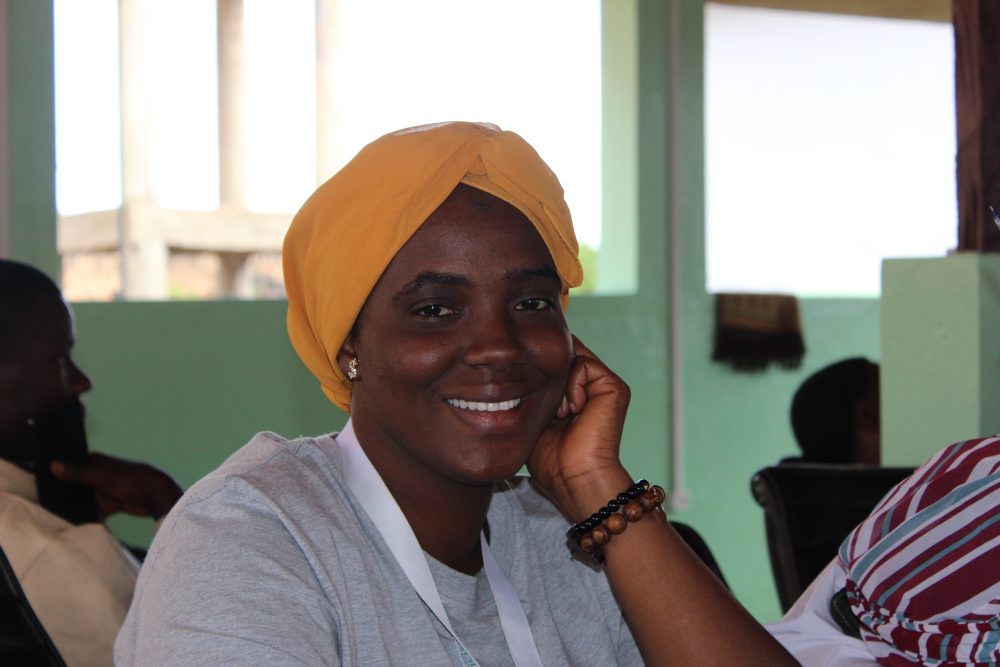
As part of the Femmes Pro-Forêts project, Oumou Salamata Sow, our Women's Economic Empowerment and Gender Equality Officer, took part in a regional human rights training session in Abidjan organized by Equitas, the Burkinabè Movement for Human and Peoples' Rights (MBDHP), and the Equitas Network of Côte d'Ivoire.
The training gave her an opportunity to deepen her expertise, exchange ideas with participants from across West Africa, and return with new tools and perspectives to better support the communities she works with.
"Thanks to the support of the Femmes Pro-Forêts project, I had the opportunity to participate in this training. It strengthened my skills, expanded my professional network, and gave me greater confidence in my work with communities. This experience continues to have a positive impact on my work in the field."
- Oumou Salamata Sow
Women's Economic Empowerment and Gender Equality Officer
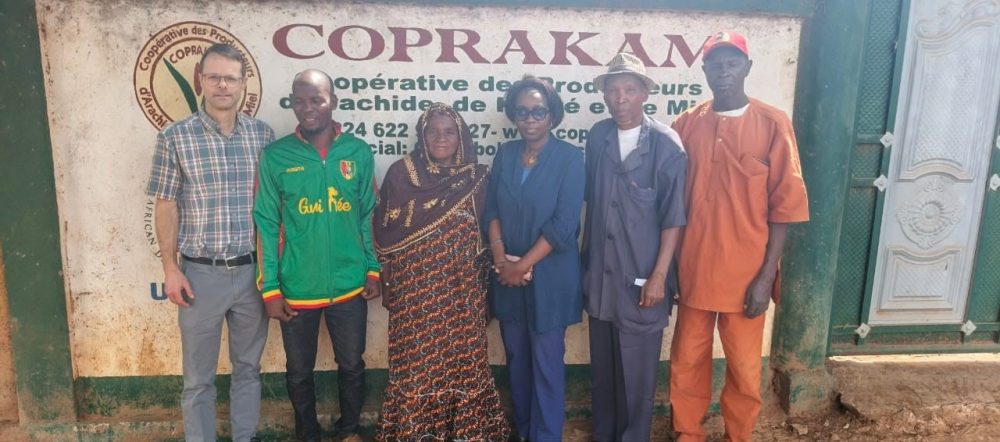
Supporting COPRAKAM's Growth
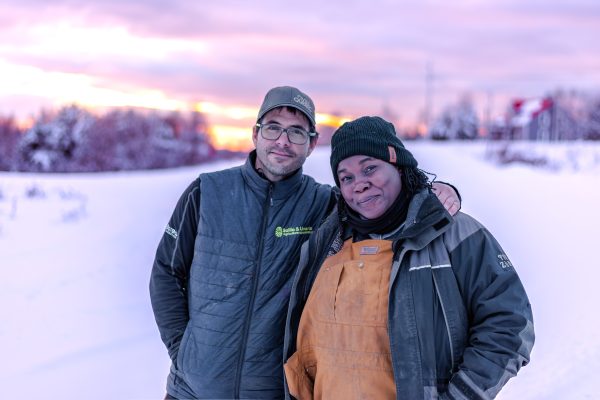
In Dabola, volunteers Codou Sow and Mathieu Houde, members of CPA Whitout Borders, put their expertise to work in support of the Coopérative des producteurs d'arachides, de karité et de miel (COPRAKAM)(Peanut, Shea, and Honey Producers Cooperative).
Made up primarily of women and counting over 200 young people among its 4,252 members, the cooperative plays an important role in the economic development of its community.
Over the course of a few weeks, Codou and Mathieu worked alongside the COPRAKAM team to introduce tools for tracking inventory, production, cash flow, and loans. They also helped develop a strategy to strengthen membership growth and identify new opportunities for business development.
Thanks to their commitment and close collaboration with the cooperative's staff and leaders, COPRAKAM now has stronger management practices in place to support its continued growth and deliver even better services to its members.