The Women Who Feed the World
International Year of the Woman Farmer
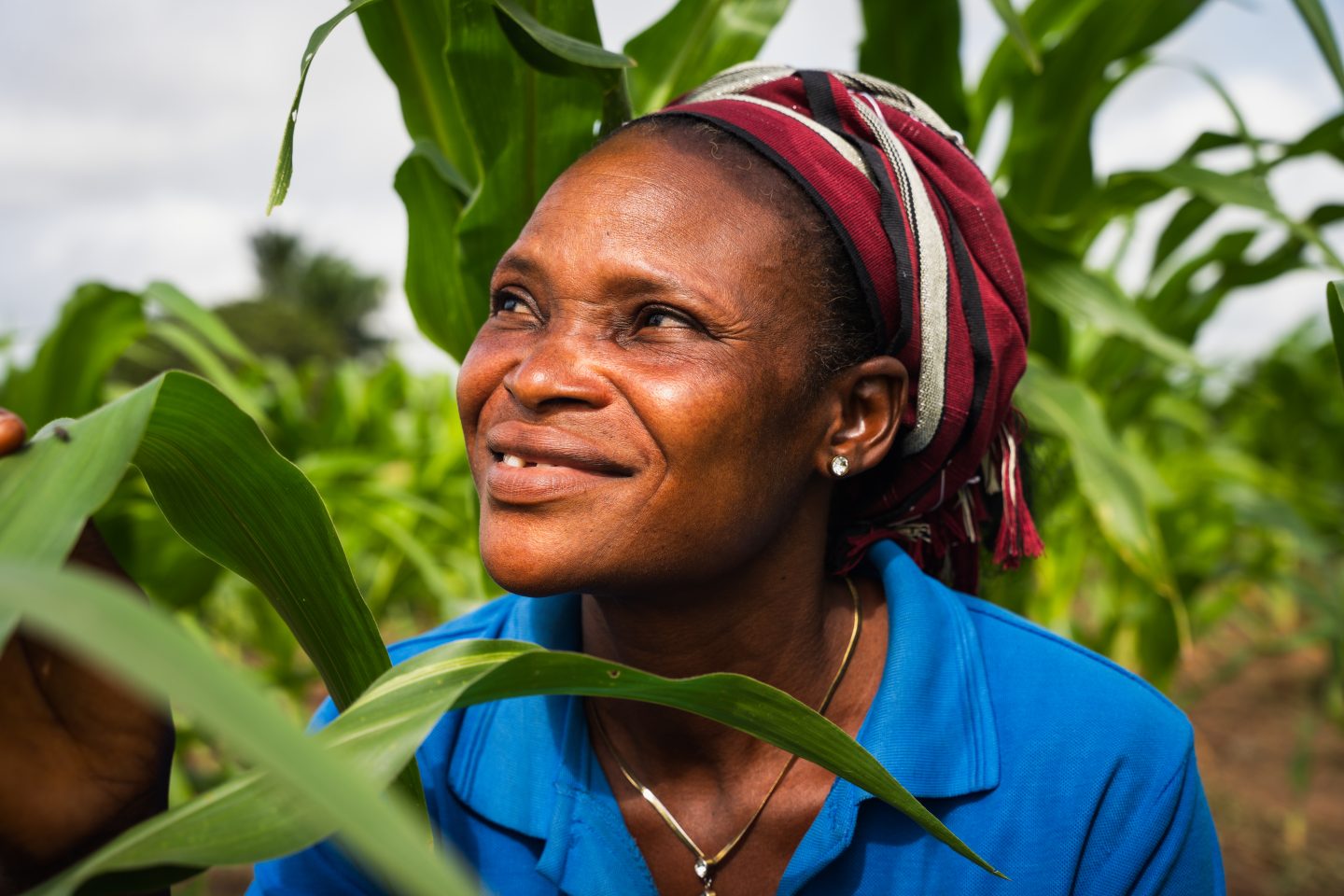
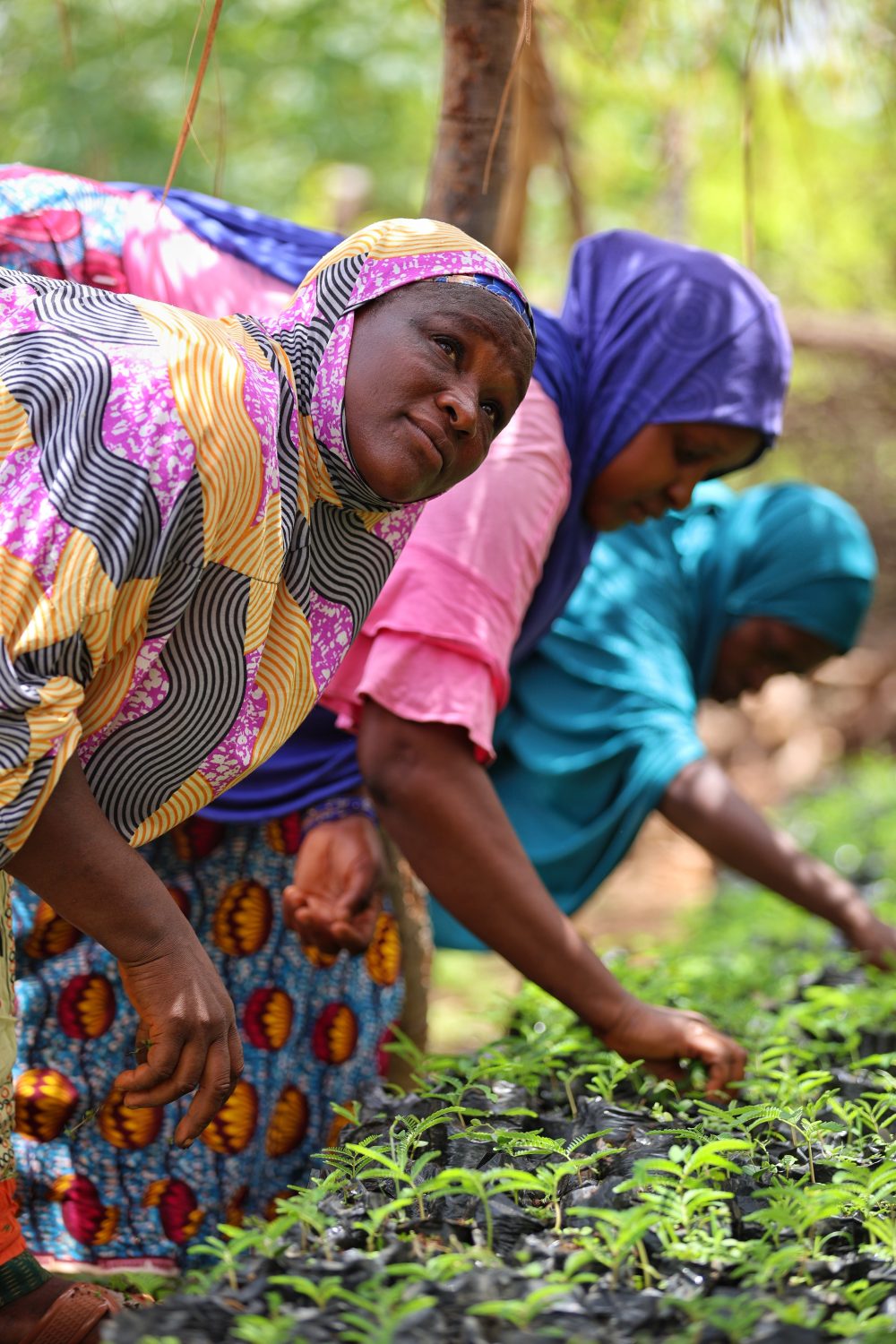
The United Nations has designated 2026 as the International Year of the Woman Farmer. This is an unprecedented opportunity to highlight women’s contributions to agrifood systems and raise awareness about the issues and challenges they face.
Supporting women in their pursuit of greater social and economic autonomy has always been at the heart of UPA DI’s mission. The latest findings from the FAO report The Status of Women in Agrifood Systems reinforce our conviction that women are a powerful driver of sustainable transformation in agrifood systems, poverty reduction, and the global fight against hunger.
Persistent Structural Inequalities
- 24% : The productivity gap between farms managed by women and those managed by men.
- 82% : The percentage of men’s income that women earn.
- Limited Access to Key Resources : Access to land, financing, agricultural inputs, and technology remain problematic to women due to discriminatory social norms and the disproportionate burden of unpaid care and domestic work.
Although women account for 36% of the global agricultural workforce, and an even greater share in regions such as South Asia and Sub-Saharan Africa, they continue to hold more precarious and lower-paid jobs. They are also among those most affected by climate change and other crises.
This reality is all the more concerning given the global rollback of women’s rights and gender equality initiatives.
Despite these obstacles, women farmers continue to feed the world with determination and resilience. During this International Year of the Woman Farmer, let us remember that investing in women’s autonomy means investing in a future where hunger and poverty no longer have a place.
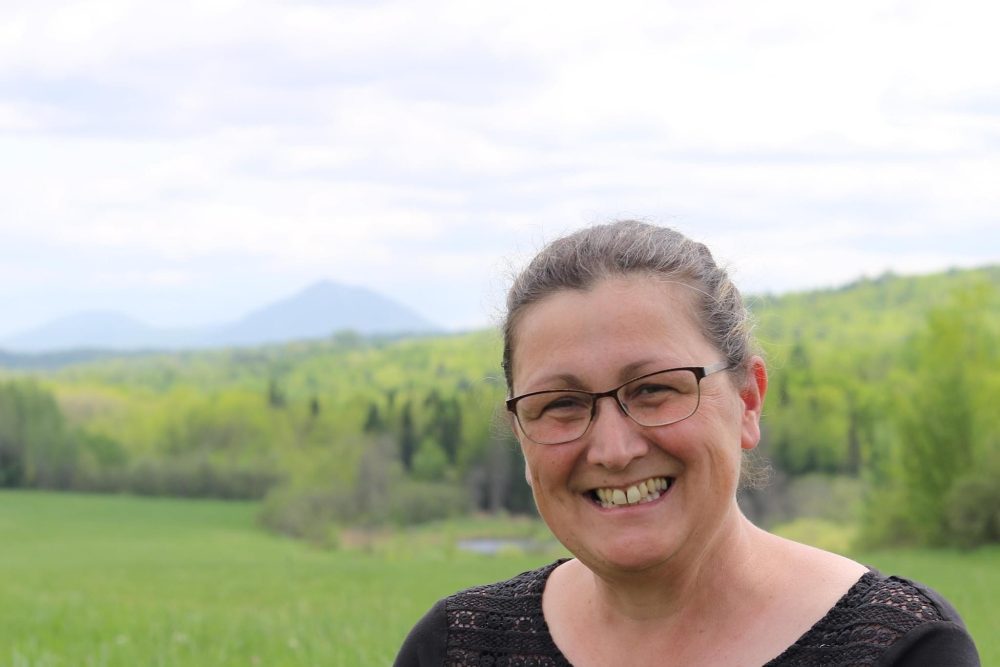
Véronique Guizier
President of Women Farmers of Quebec
The year 2026, proclaimed by the United Nations as the International Year of the Woman Farmer, represents a remarkable opportunity. This declaration deeply resonates with us. It marks a historic milestone and constitutes the first global recognition of the role women play in agriculture.
Of course, the realities faced by women farmers vary from one country to another. For many, particularly in parts of the Global South, agriculture is first and foremost a matter of survival. In these countries, women face immense challenges, including limited access to essential services such as water, energy, and sanitation.
In Quebec, our challenges may seem less pressing by comparison. Yet they are no less important. They relate to the recognition, equity, and well-being of women farmers who contribute every day to the vitality and sustainability of our agricultural sector.
The International Year of the Woman Farmer is certainly an opportunity to celebrate these inspiring, dedicated, and resilient women. Beyond the celebration, however, it is above all a call to raise awareness about their fundamental contribution.
Women have played a central role in farming operations since the earliest days of agriculture. Yet much of their work remains invisible. Data from the calculation tool developed by the Women farmers of Quebec reveals that women farmers spend an average of 49 hours per week performing invisible work, representing an annual value of $48,412.
These figures highlight a reality that is still too often overlooked: work that is essential to the successful operation of farms and agricultural businesses.
It is time to recognize this work for what it truly is: a cornerstone of our agricultural sector.
During a panel discussion organized by UPA DI in March, women farmers from Senegal and Benin spoke about this same reality. Despite operating in very different contexts, they described a common phenomenon: work that is indispensable, yet still too often invisible.
Progress has certainly been made. However, the work is far from over, and our commitment remains essential to ensuring fair recognition for women farmers around the world.
This recognition is a collective responsibility. Every stakeholder in the agricultural sector has a role to play in ensuring that women's work is acknowledged and valued for its true worth, today, tomorrow, and for generations to come.
Together, we are stronger.
May this International Year of the Woman Farmer mark the beginning of lasting recognition for the essential role that women farmers play in agriculture and in our societies.
Happy International Year of the Woman Farmer to women farmers everywhere!
Women and Girls: The Invisible Workforce
Our Gender Equality Policy
For UPA DI, gender equality is not a mere formality; it is a conviction that has guided the organization since its founding in 1993.
From its earliest projects in Burkina Faso and Mali, UPA DI has supported initiatives aimed at promoting the role of women farmers, particularly in the bissap and shallot sectors. In fact, the gender dimension was an integral part of the The Knowledge of Farmers training approach developed at the time, and measures were put in place to ensure women’s participation in these activities.
However, it was not until 2007 that the organization officially adopted a policy statement in support of gender equality. In 2017, this commitment was further formalized through the adoption of an institutional Gender Equality Policy.
Shortly thereafter, in 2019, gender equality became a strategic priority in UPA DI’s development plan. Since then, this plan has guided international projects aimed at strengthening the autonomy of women working in agrifood systems.
In 2025, UPA DI reached another important milestone with the comprehensive revision of its Gender Equality Policy. The result of a consultative process, this updated version articulates a clearer and more ambitious vision, with the goal of fostering more equitable gender relations in agrifood systems through collective action led by professional agricultural organizations.
The new policy is built around 12 concrete commitments that touch on every aspect our work, from programs and partnerships to institutional capacity building.
Through this policy, UPA DI reaffirms its commitment to building a sustainable family farming sector that recognizes, values, and supports the essential role of women.
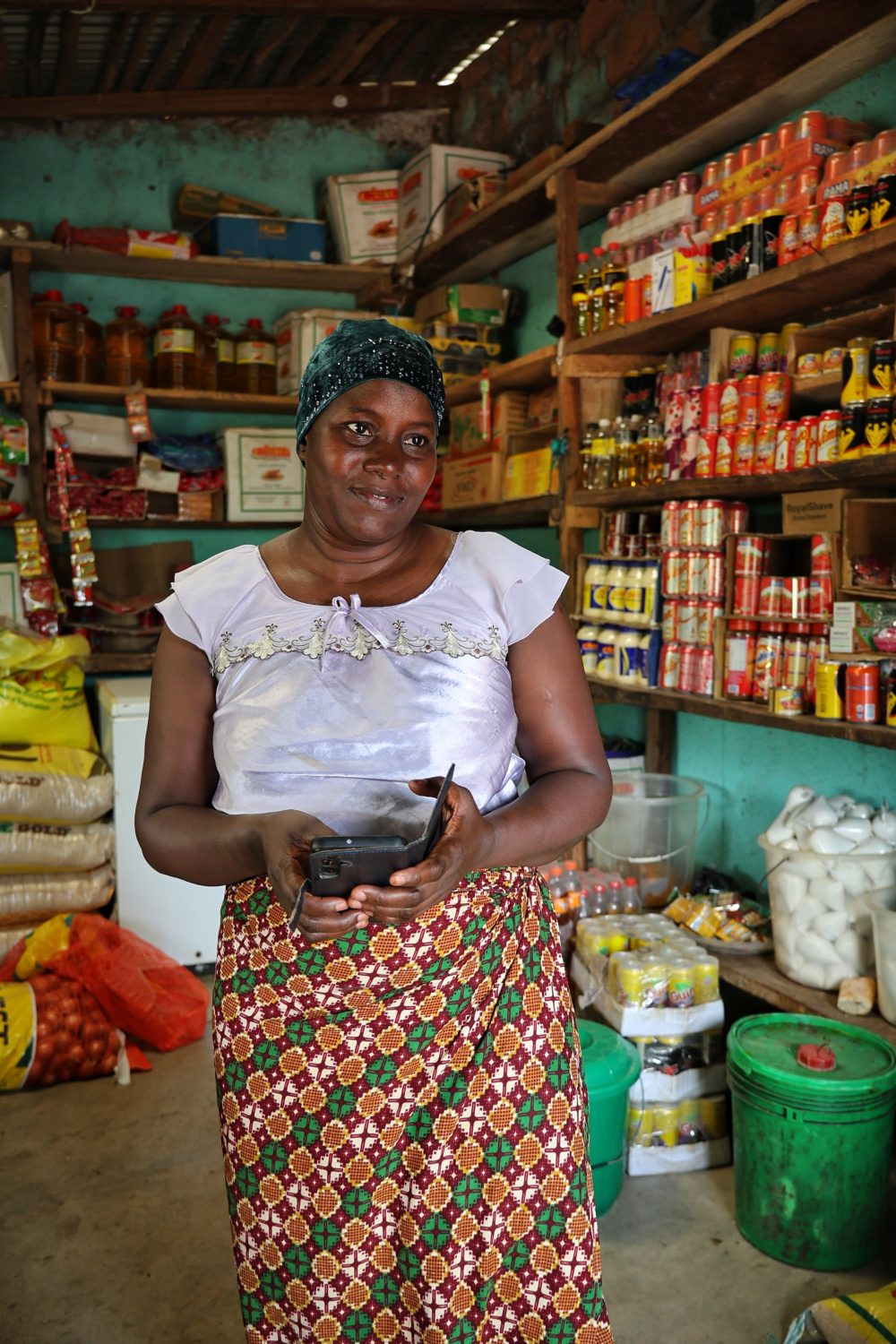
Our Approach to Women’s Entrepreneurship
Over the past year, UPA DI has taken an important step forward towards refining its approach to women’s agricultural entrepreneurship with the objective of helping women farmers overcome the barriers that limit their social and economic autonomy.
At the heart of this approach is The Knowledge of Farmers, an andragogical program developed by UPA DI that recognizes and builds on participants’ knowledge and experience. Through a comprehensive entrepreneurial pathway, women gain access to training tailored to their realities, personalized support, and a range of financing opportunities.
This approach draws on the expertise of the Union des Producteurs Agricoles network and the Women Farmers of Quebec, creating a bridge between Quebec’s agricultural know-how and the realities faced by women farmers in other parts of the world.
To ensure lasting impact, UPA DI works on two complementary fronts. First, it strengthens agricultural organizations so they can adopt more inclusive governance practices and deliver services that are better adapted to the needs of women farmers.
Second, it helps create an enabling environment for women’s autonomy by addressing the main barriers to their participation, including unequal access to resources, limited decision-making power, discriminatory social norms, and the disproportionate burden of domestic and agricultural responsibilities.
Together, these two approaches help women fully realize their potential.