Our Philanthropic efforts

Circular Cooperation
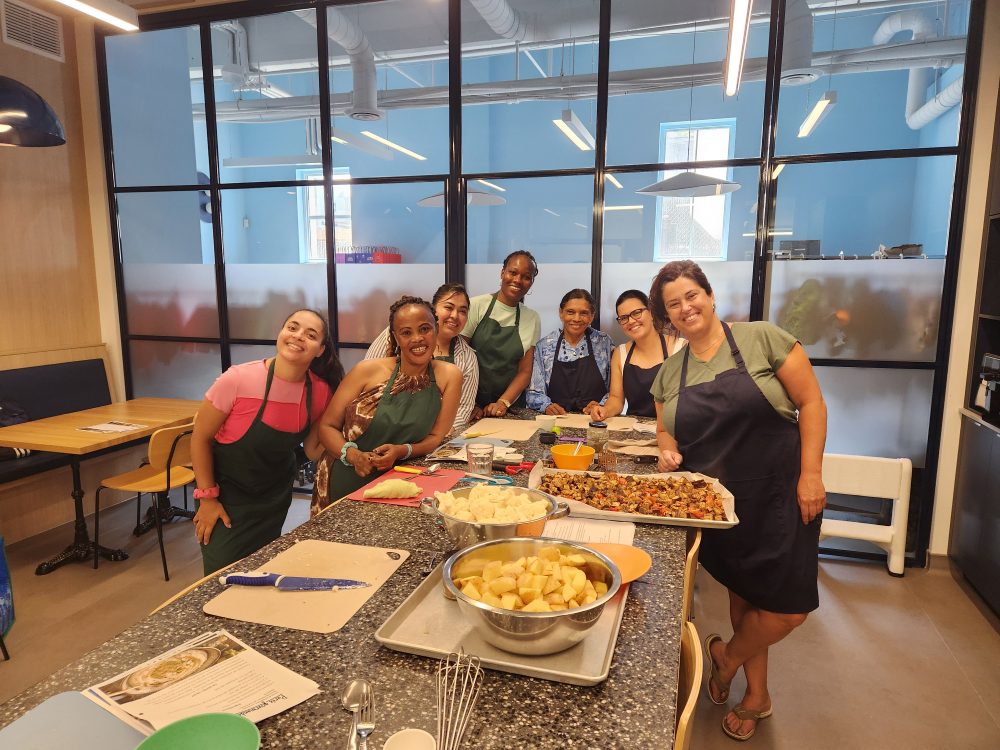
Circular Cooperation: A New Quebec-Senegal Initiative
Over the past year, UPA DI reached an important milestone in its philanthropic development with the launch of its first initiative in Quebec.
The Circular Cooperation pilot project is an innovative pilot project that creates a bridge for exchange and collaboration between Quebec and Senegal. It connects UPA DI's locally-sourced school canteens in Senegal with a new initiative that supports the integration of newcomers in Quebec.
In both countries, the project is built on a shared belief: local food and agricultural products can be powerful drivers for social and cultural integration within communities.
In Quebec
In collaboration with the Centre d'action bénévole de la région de Saint-Hyacinthe (CABRSH) and nutrition expert Marianne Lefebvre, the Quebec component uses local food and intercultural exchanges to support the integration of newcomers in the Montérégie region.
Over an 18-month period, newcomers to Quebec are invited to participate in cooking workshops during which they discover local agricultural products and learn how to incorporate them into their everyday meals. The initiative aims to promote food security, support adaptation to life in Quebec, foster social connections, and help participants feel at home in their new communities.
In Senegal
The Senegal component builds on the circular economy program already underway in two communities. To encourage the sharing of knowledge and experience, an exchange visit and a twinning initiative will bring together women entrepreneurs from Mbhokadane and staff from the CABRSH collective kitchen.
The Senegalese participants will gain new knowledge in areas such as inventory management and meal planning, while CABRSH staff will learn more about school canteens in Senegal and discover West African culinary traditions.
UPA DI has always believed that the best solutions emerge when people learn from one another. Through this initiative, , learning flows in both directions, helping to strengthen food security, support integration, and build stronger communities in both Quebec and Senegal.
This pilot project is made possible thanks to the support of the Marcelle and Jean Coutu Foundation, H. Gagnon et Fils, Les Producteurs d'œufs du Québec, the Éleveurs de volailles du Québec, Les Producteurs de lait du Québec, Caisse d’économie solidaire Desjardins , and the Sisters of Saint Joseph of Saint-Hyacinthe. UPA DI extends its sincere thanks to these partners for helping bring this vision to life.
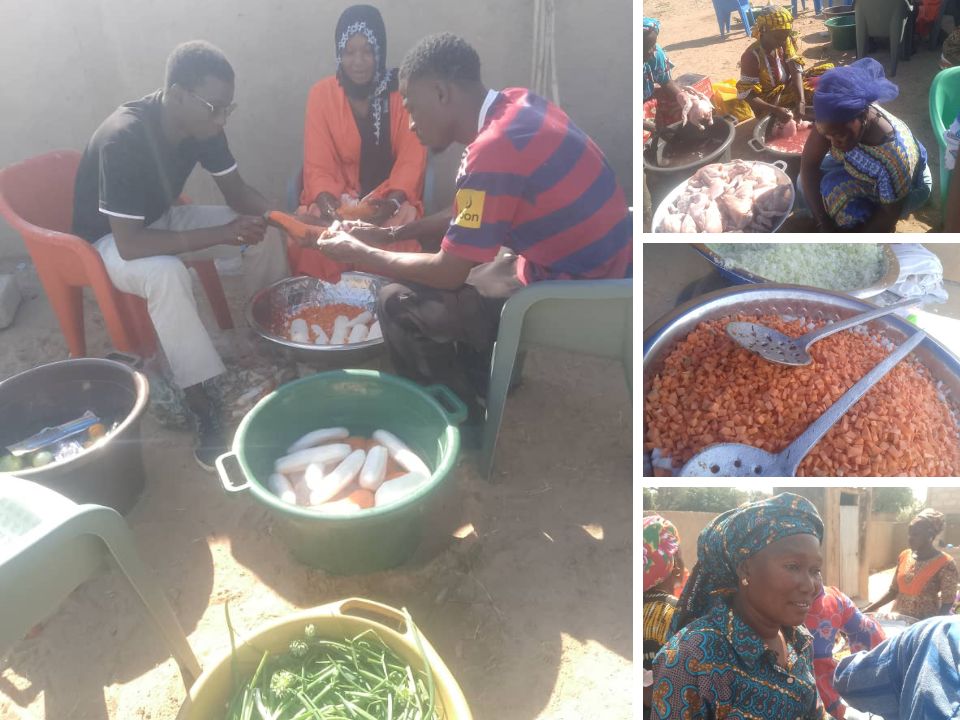
A Second Community Joins the Movement in Senegal
Following the encouraging results achieved in Mbokhodane, the circular economy program took another step forward with its expansion to the community of NgueyeNgueye.
On February 12, 2026, the village school's 620 students shared their very first meal. By the end of the school year, 7,440 meals had been served through the new school canteen, which sources its ingredients from local producers and generates benefits for the entire community.
This expansion demonstrates that by investing in local agriculture, women's entrepreneurship, and community mobilization, it is possible to build a sustainable model that improves food security, increases rural families' incomes, and supports children's educational success.
UPA International Development extends its sincere thanks to the Roncalli International Foundation, the Marcelle and Jean Coutu Foundation, and its partner, the Union régionale des associations paysannes de Diourbel (URAPD), whose commitment helped make this expansion possible.

Le Grand Souper de la Faim
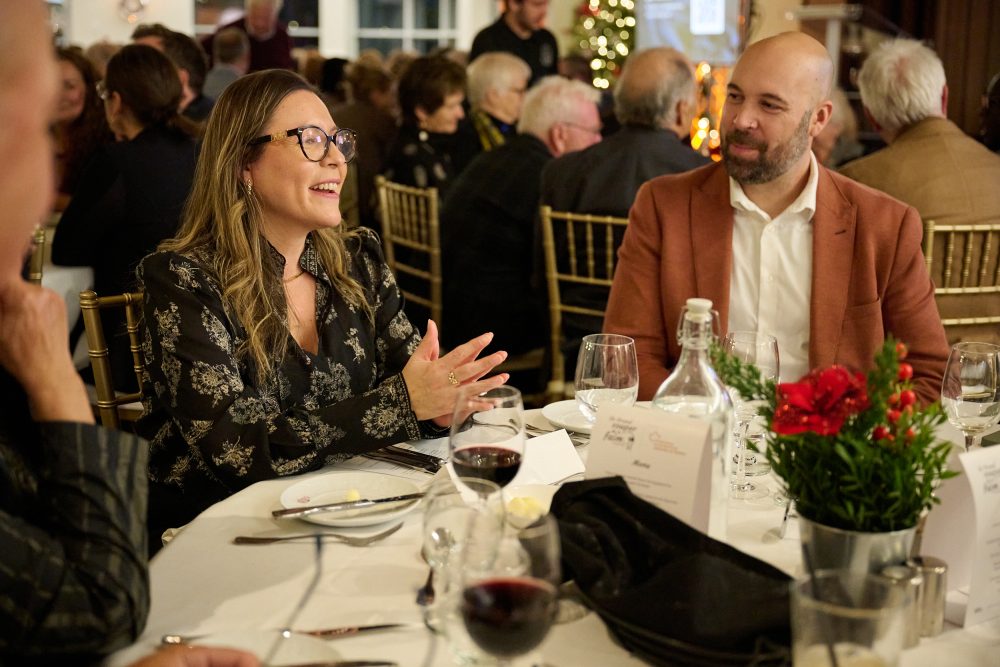
On November 12, 2025, more than 200 people gathered for the third edition of the Grand Souper de la Faim, hosted by the Quebec Maple Syrup Producers.
This year's event held special significance. In addition to bringing together representatives from the agri-food, political, and financial sectors to discuss global food security, it marked the beginning of a new chapter for UPA DI with the launch of the Circular Cooperation pilot project.
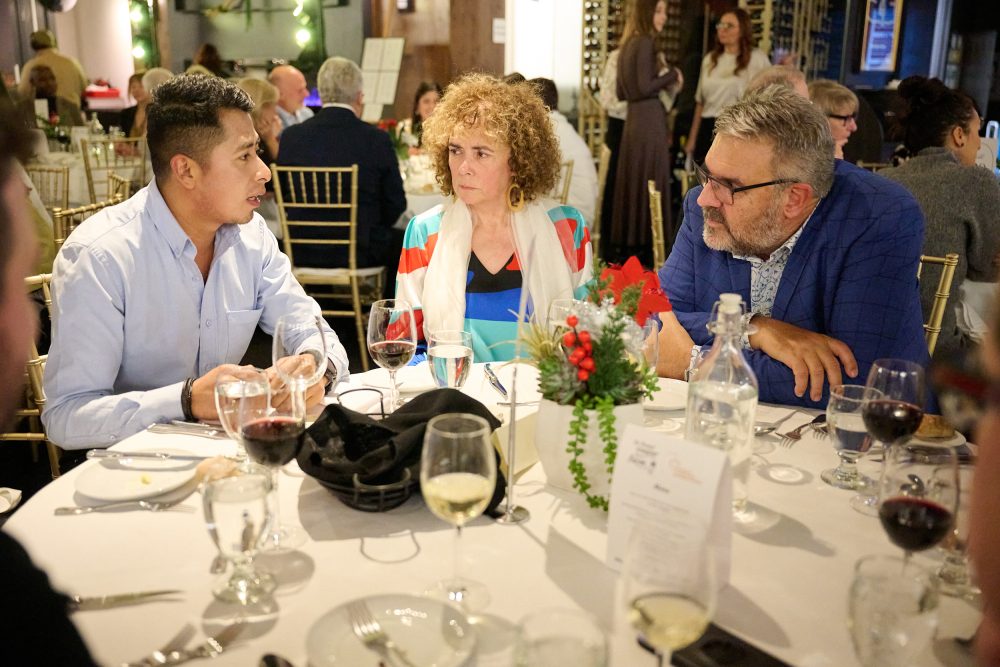
To offer a glimpse of this initiative, participants present at this event shared their meal with Quebec immigrants. Through their stories, guests learned about their journeys, their first experiences of life in Quebec, and the important role food played in helping them settle into their new communities.
These conversations served as a reminder that food security is also built through sharing, connection, and openness to others. Thanks to the generosity of participants and the support of numerous partners, the Grand Souper de la Faim continues to bring promising initiatives to life, both here and around the world.
UPA International Development extends its warmest thanks to the partners who contributed to the success of this event:
- Quebec Maple Syrup Producers
- Estrie Richelieu, assurances agricoles
- Mpowerment Fondation
- KRB Law
- Les Éleveurs de porcs du Québec
- La Milanaise
- L'Union des producteurs agricoles – Saguenay–Lac-Saint-Jean
- Les Producteurs de bovins du Québec
- Les Producteurs de lait du Québec
- Groupe BoBlé
- Laiterie de Coaticook


Thank You to Our Philanthropic Partners
The achievements featured in this annual report are also a testament to your commitment.
Thank you for helping us sow the seeds of a more just and resilient future for the women and men who feed the world.
- AQANU
- Bernard Morin
- Caisse d'économie solidaire Desjardins
- Clément Pouliot
- Fédération de l'UPA de la Montérégie
- Fédération des Producteurs d'Oeufs du Québec
- Fondation des sœurs de Saint-Joseph de Saint-Hyacinthe
- Fondation Familiale Marc Bieler
- Fondation Internationale Roncalli
- Fondation Louise Grenier
- Fondation Marcelle et Jean Coutu
- Fonds des familles Gérard Bouchard
- Fonds Solidarité Sud
- H. Gagnon & Fils
- Jeanne Dancette
- Les Éleveurs de volailles du Québec
- Les Producteurs de lait du Québec
- Les Producteurs d'œufs d'incubation du Québec
- Luc Morin
- Mario Théberge
- Œuvres Régis Vernet
- Reynald Bourque
- Richard Petit
- Sœurs de la Charité de Saint-Hyacinthe
- Succession Jacques Chevrette