Canada
Canada
Since 1993, our roots in Quebec's agricultural community have nourished and shaped our international initiatives.
Our Agro-Innov Network




UPA DI's Agro-Innov Network continues to bring together highly skilled Canadian volunteers who share their expertise with partner organizations working in agricultural development.
This year, 74 volunteer assignments were carried out to support agricultural organizations, share knowledge, and help bring promising initiatives to life in rural communities.
Thanks to their expertise and commitment, volunteers contributed to seven projects focused on the environment and women’s entrepreneurship through the Network's thematic funds. They also supported several major UPA DI projects in Benin, Guinea, Senegal, and Tunisia.
Since the program was launched in 2020, their contributions have helped create 40 new collective economic services, 21 of which are already profitable. Today, more than 4,575 people, including 1,670 women, benefit from these services, which include nurseries, school cafeterias, climate advisory clubs, community kitchens, and poultry farms.
The Network has also helped promote good agricultural practices and strengthen the role of women and young people within partner organizations.
These results reflect the strength of the Agro-Innov Network: a peer-to-peer network where knowledge is shared, ideas take root, and innovation and solidarity thrive.
The Réseau Agro-Innov volunteer cooperation program is funded by Global Affairs Canada.
What Our Volunteers Have to Say
Viens marcher ma terre 2025
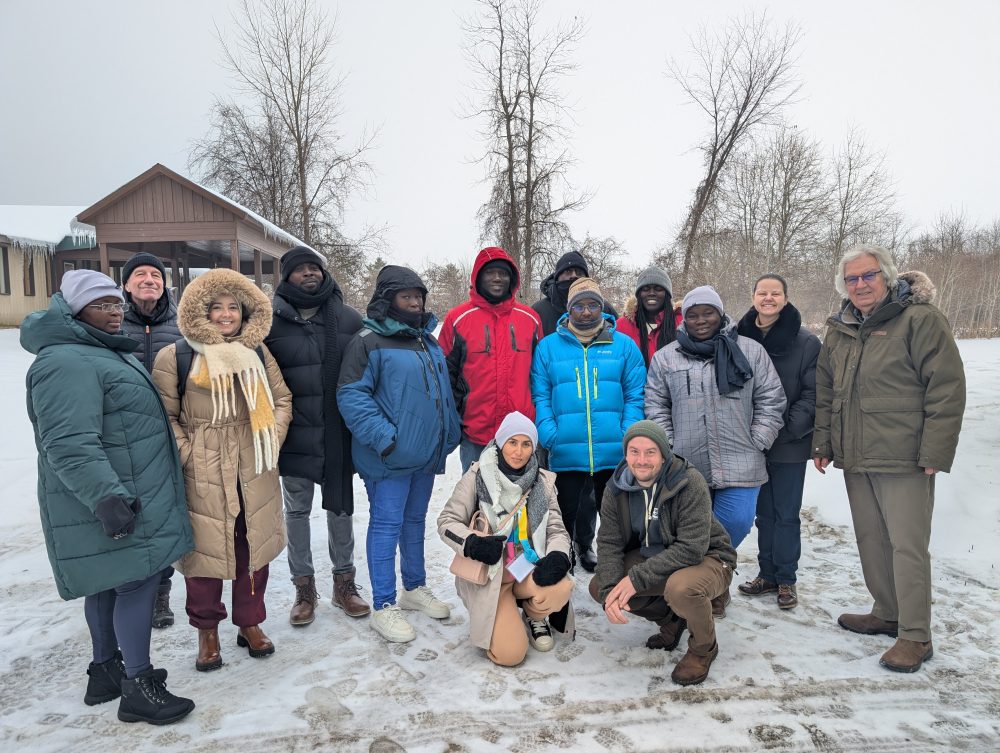
Come Walk My Land 2025
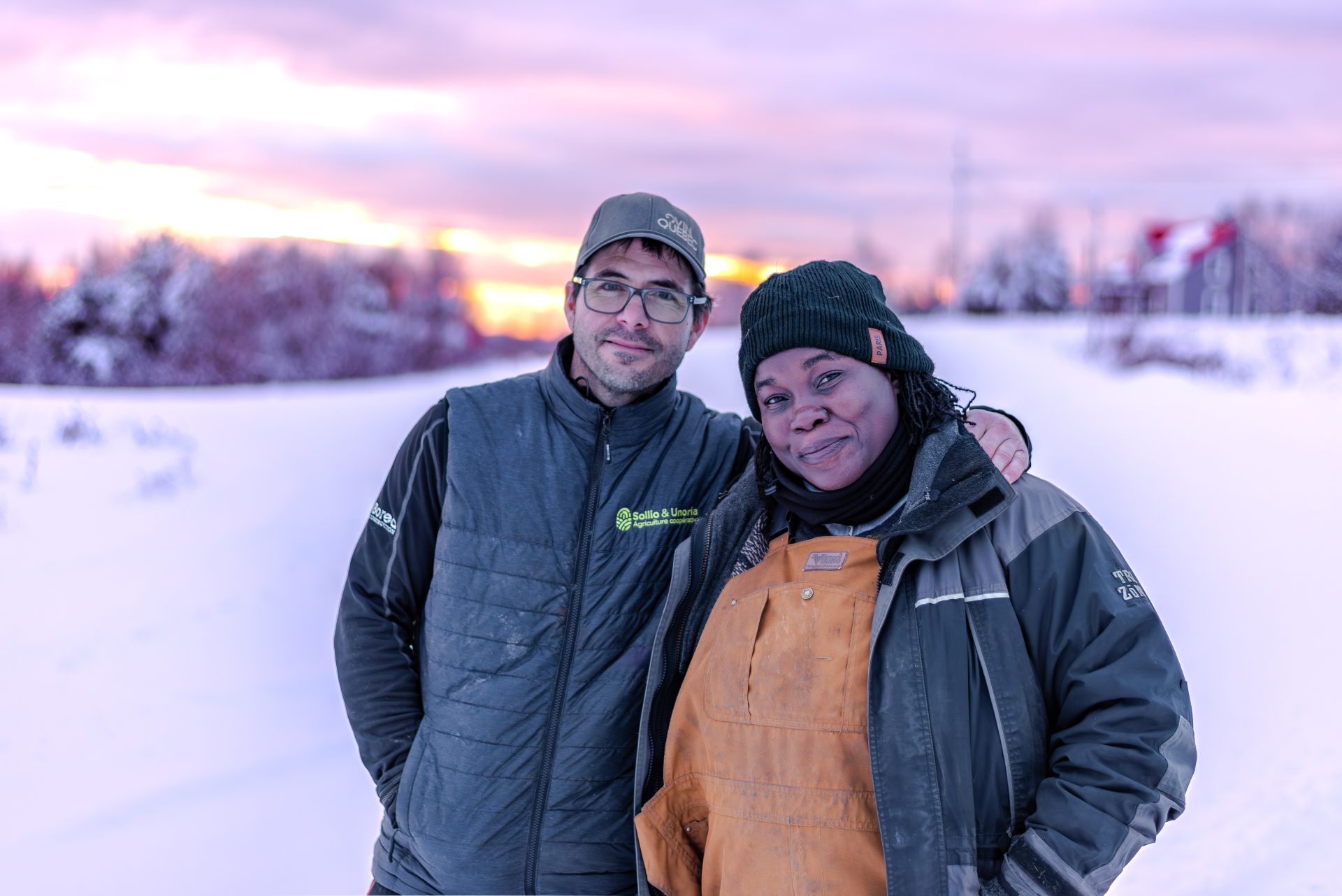
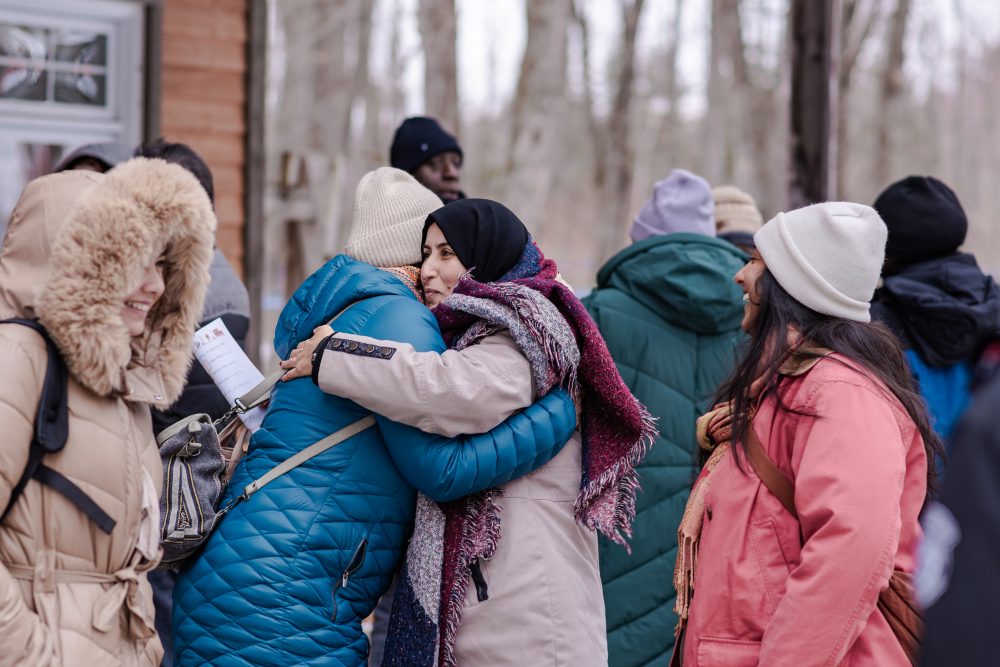
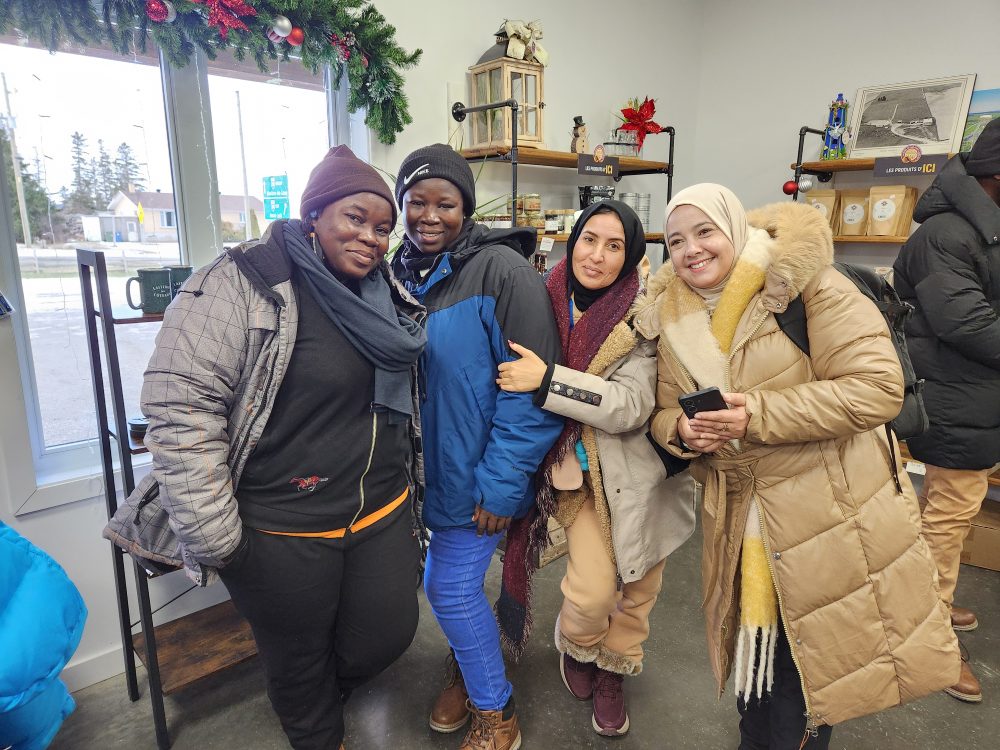
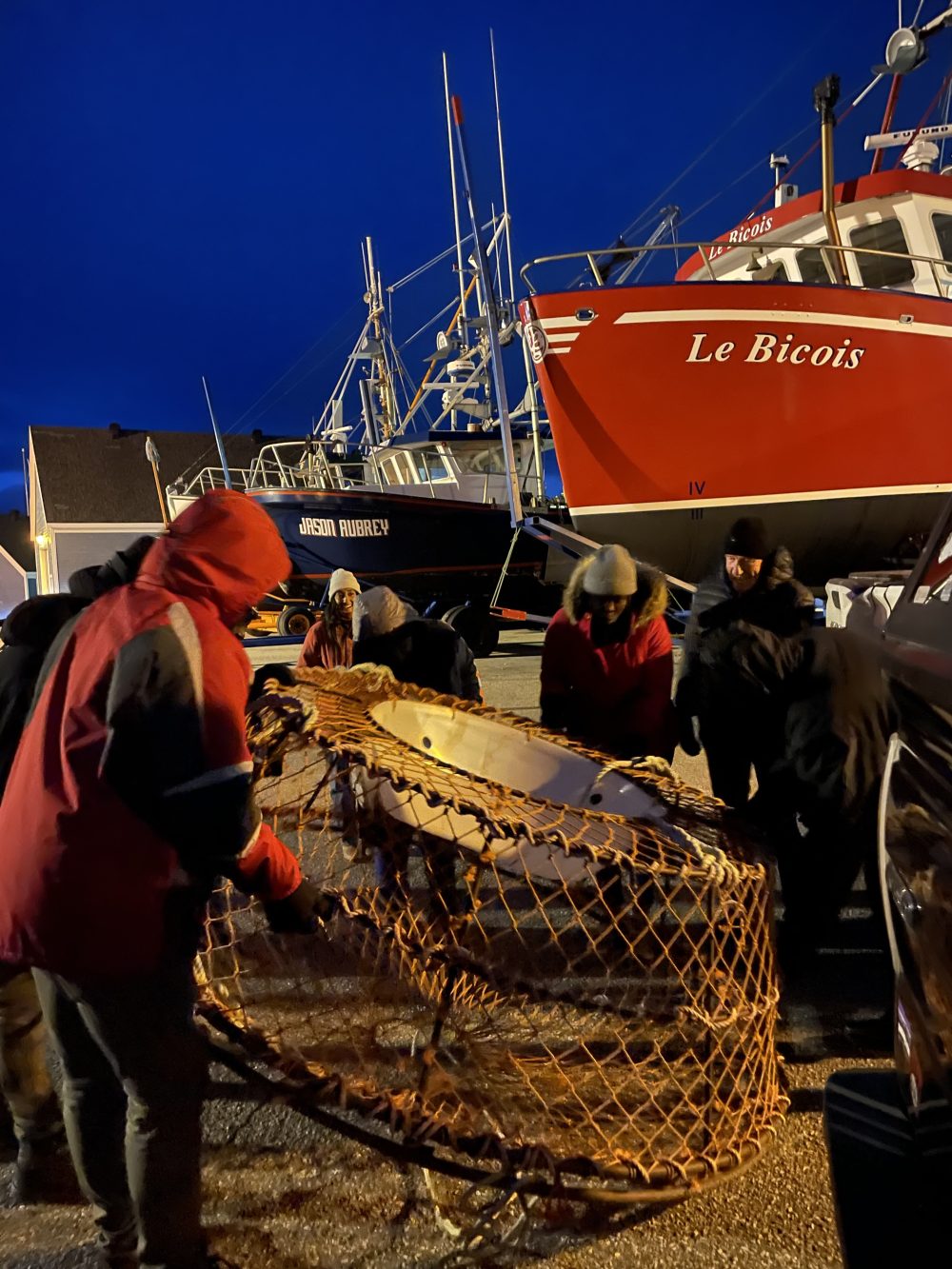
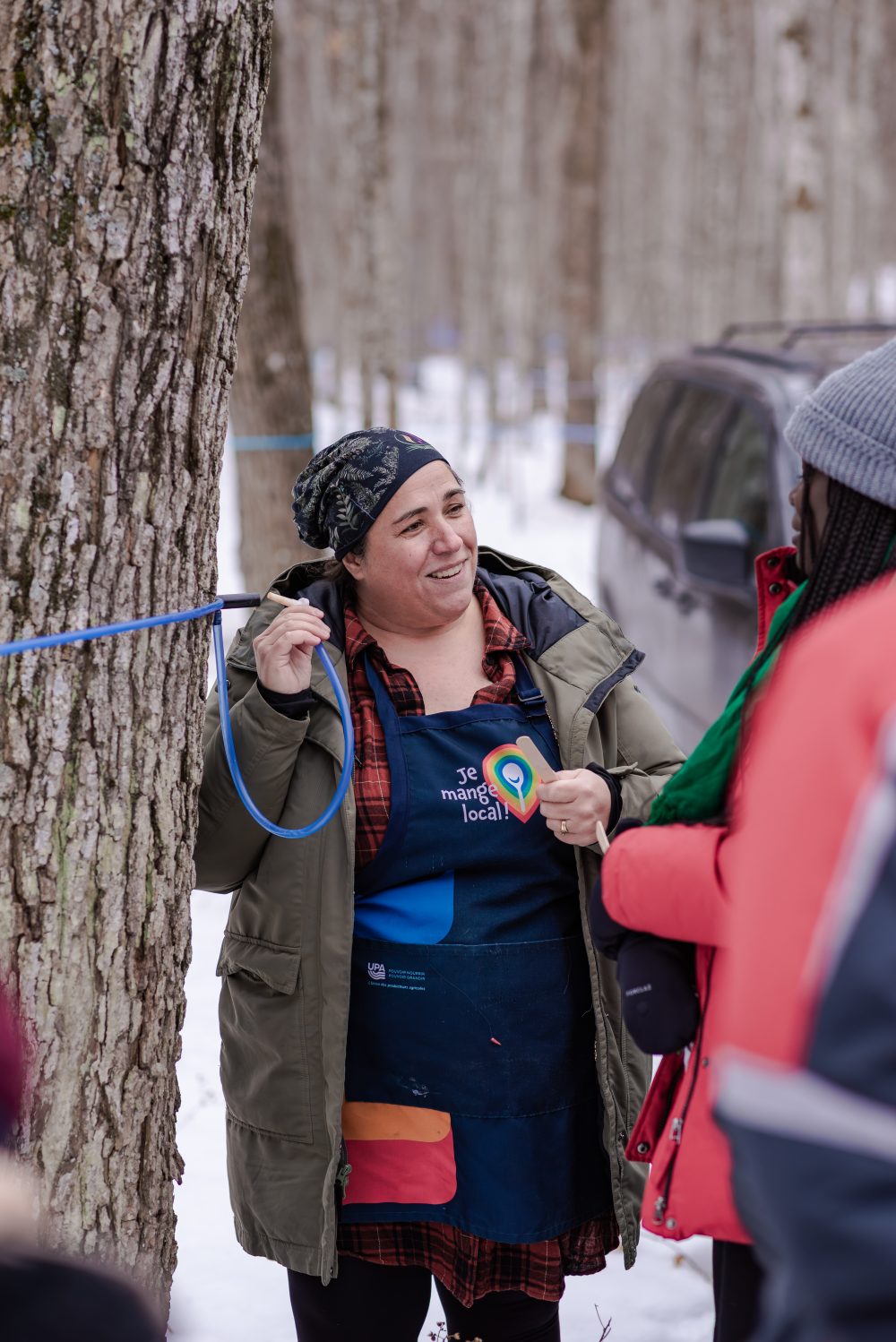
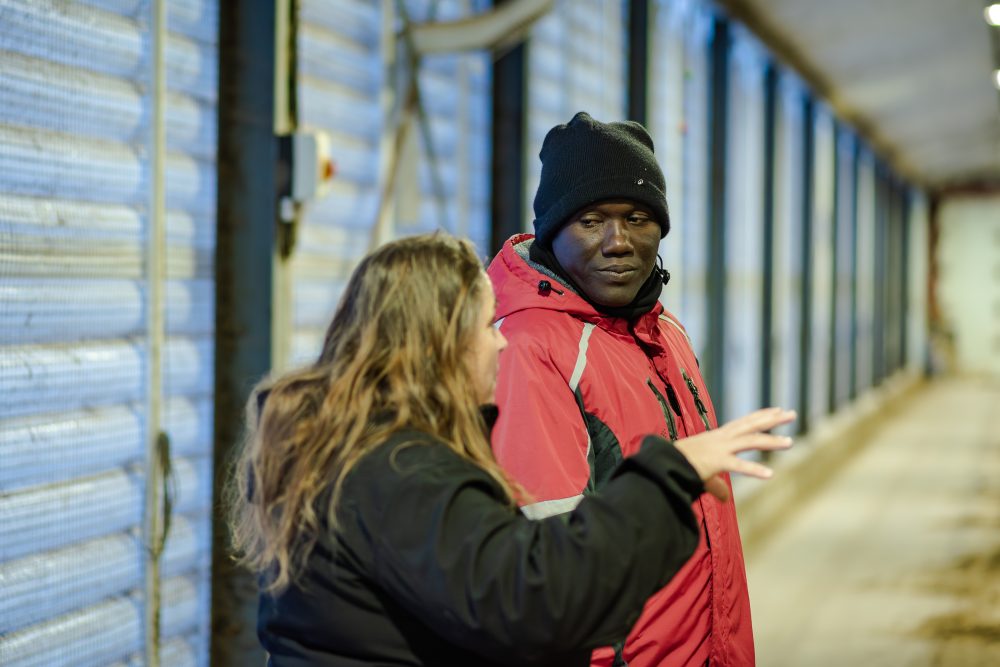
In November 2025, despite the early snowfall, eight young farmers from Africa arrived in Quebec to take part in a special edition of the Come Walk My Land internship program dedicated to young farmers.
As well as encouraging the exchange of experiences and expertise, the program had a clear objective: to build on the presence of young agricultural leaders from the Global South and help lay the foundation for a policy aimed at strengthening youth engagement in agriculture.
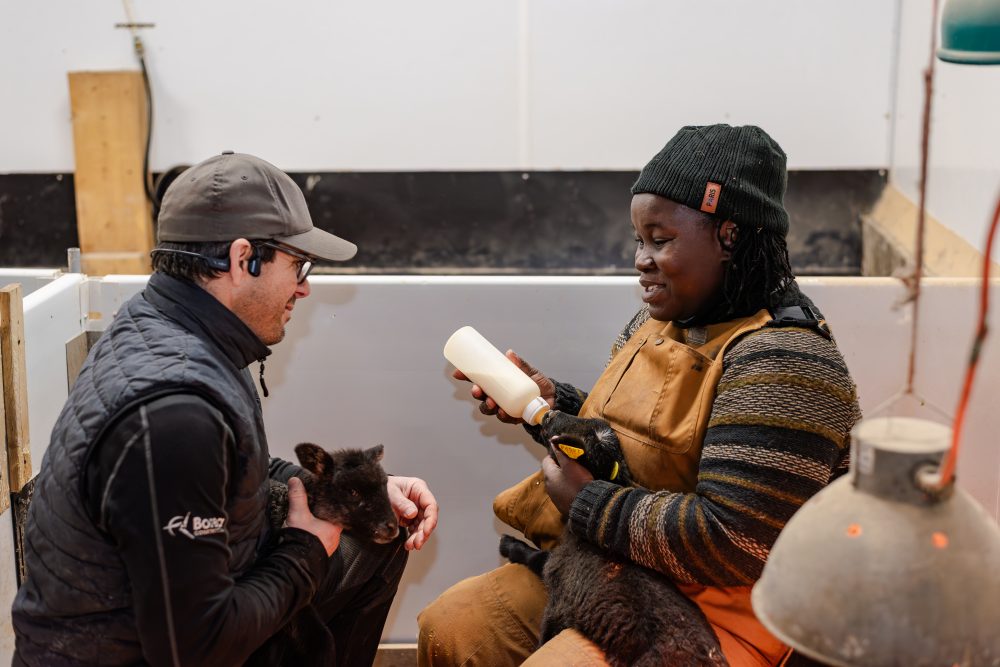
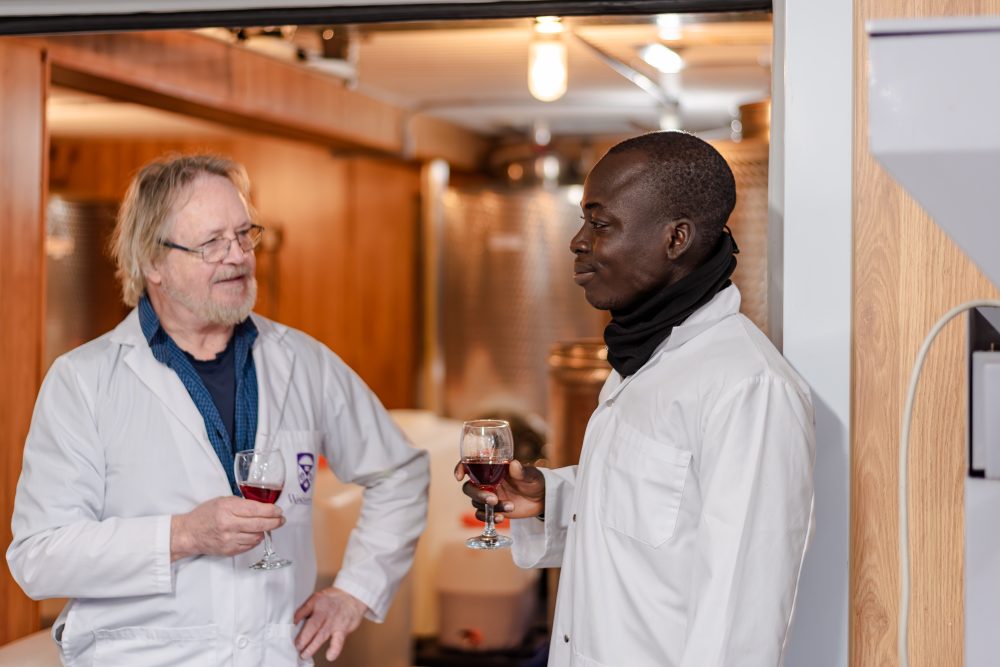
Throughout their stay, participants took part in discussions and working sessions that helped shape UPA DI's Youth in Agriculture Policy, officially adopted in March 2026. They also met with leaders from Quebec's agricultural sector and the Board of Directors of the Fédération de la relève agricole du Québec (FRAQ). In addition, they had the opportunity to stay with farming families in the beautiful Bas-Saint-Laurent region.
Significant Events
- The delegation met with representatives from the Volunteer Cooperation Program of Global Affairs Canada in Ottawa to discuss the tangible results and lasting impact of collaboration among agricultural producers through the Agro-Innov Network.
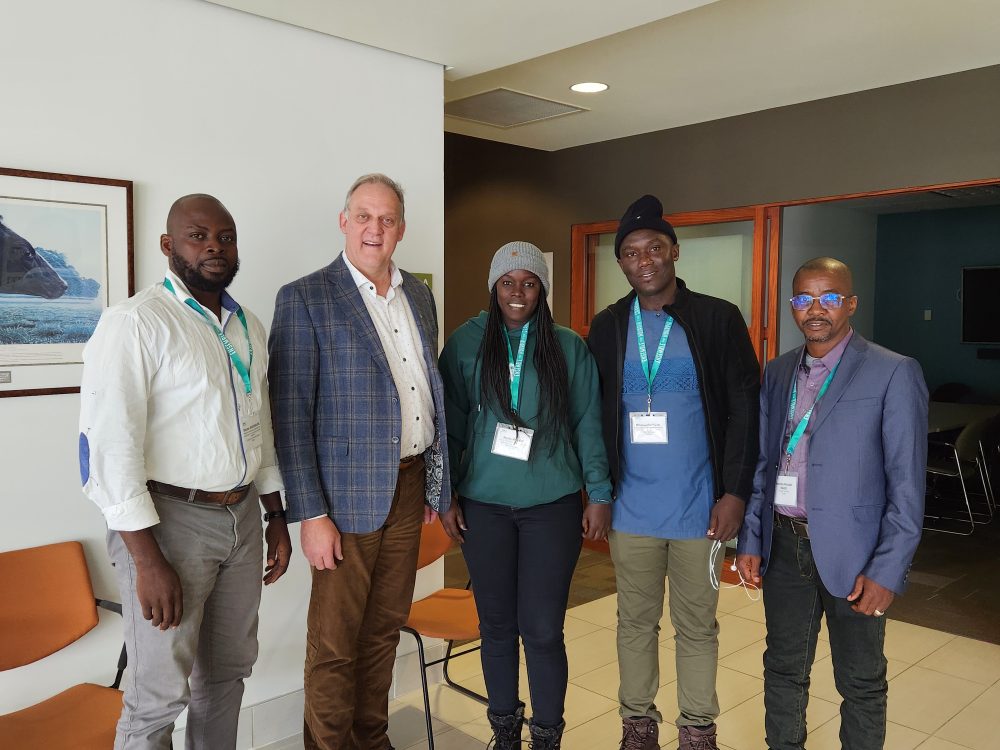
- The delegation also met with Jocelyn Brown Hall, Director of the Food and Agriculture Organization of the United Nations (FAO) Office for North America, to discuss the opportunities and challenges facing the next generation of African farmers.
A Welcome That Matched Their Commitment
Members of the Bas-Saint-Laurent UPA Federation gave the delegation an exceptionally warm welcome. Numerous farmers, agrifood businesses, and organizations opened their doors to share their expertise and showcase their innovations.
The voices of these young farmers resonated throughout the region. Local media met with members of the delegation, giving them an opportunity to share their stories and reflect on their experiences during the stay.
Thank you to everyone who played a part in this experience! Your dedication inspired the next generation of farmers to dream bigger and go further.
The Come Walk My Land internship is made possible through financial support from Global Affairs Canada.


Balado Hors champ
Exchanges That Spark Ambition
At UPA DI we never underestimate the power of a network. The latest edition of the Come Walk My Land program is proof of that.
Following their visit to Quebec, members of the delegation decided to create a virtual discussion and collaboration group to exchange ideas and coordinate efforts to amplify the voices of young farmers across West Africa.
UPA DI facilitated the group's first meeting in January 2026. Together, participants developed a joint action plan and launched an initial exchange initiative between Benin and Guinea in the Spring 2026 to support the creation of youth structures within the CNOPG agricultural organization in this country.
We look forward to following the progress of these inspiring initiatives in the coming year!

It’s Time to Act!
In December 2025, UPA DI joined 14 Canadian international cooperation organizations participating in Global Affairs Canada's Volunteer Cooperation Program to launch the Time to Act campaign.
Every day, people take positive actions that, together, can create meaningful and lasting change. Whether it's helping a neighbour, supporting a local organization, volunteering in your community, or contributing internationally, every action makes a difference.
The Time to Act campaign aims to reach people all over Canada using its online platform by the end of 2027. This ambitious initiative will shine a spotlight on the many ways Canadians are helping build stronger, more resilient communities, both at home and around the world.
Have you taken a positive action lately? Share it on timetoact-canada.ca
UPA DI Celebrates the FAO's 80th Anniversary
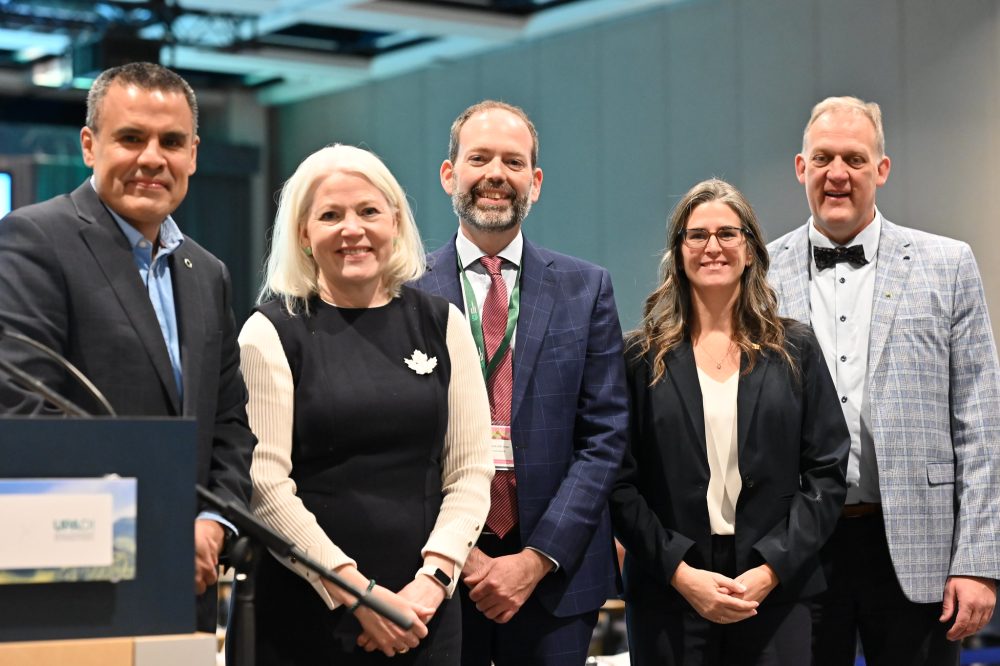
In December 2025, UPA DI was proud to celebrate the 80th anniversary of the Food and Agriculture Organization of the United Nations (FAO) during a special event held as part of the UPA General Congress.
More than 200 people gathered to attend a series of rapid-fire talks exploring some of the key issues shaping the future of food and agriculture:
- Vanessa Grenier, PhD
Scientific Director, Terrafy, and Research Officer, McGill University Faculty of Science
How can artificial intelligence help improve biodiversity and soil health? - William Suess Villeneuve
Head of Livestock and Organic Pork Sales, Ferme Villoise
How can young people help shape the future of agriculture? - Marie-Élaine Morin
Executive Director, Saint-Hyacinthe Region Volunteer Action Centre
How can food support the integration of newcomers?
The event, hosted by author and journalist Hélène Raymond, also featured remarks from:
- Martin Caron, President of the Union des producteurs agricoles;
- Jocelyn Brown Hall, Director of the FAO Office for North America;
- Marie-Josée Audet, Assistant Deputy Minister for Africa and Middle East Relations, La Francophonie, and Multilateral Affairs, Quebec Ministry of International Relations and La Francophonie (MRIF);
- Hugo Beauregard-Langelier, Executive Director of UPA International Development;
- Gerardo Almaguer, President and Chief Executive Officer of Desjardins International Development.
Each speaker emphasized the urgent need to address the major food challenges of our time and reaffirmed the importance of the FAO's founding vision: ensuring everyone's right to food security.
A Photo Exhibition in the Heart of Old Québec
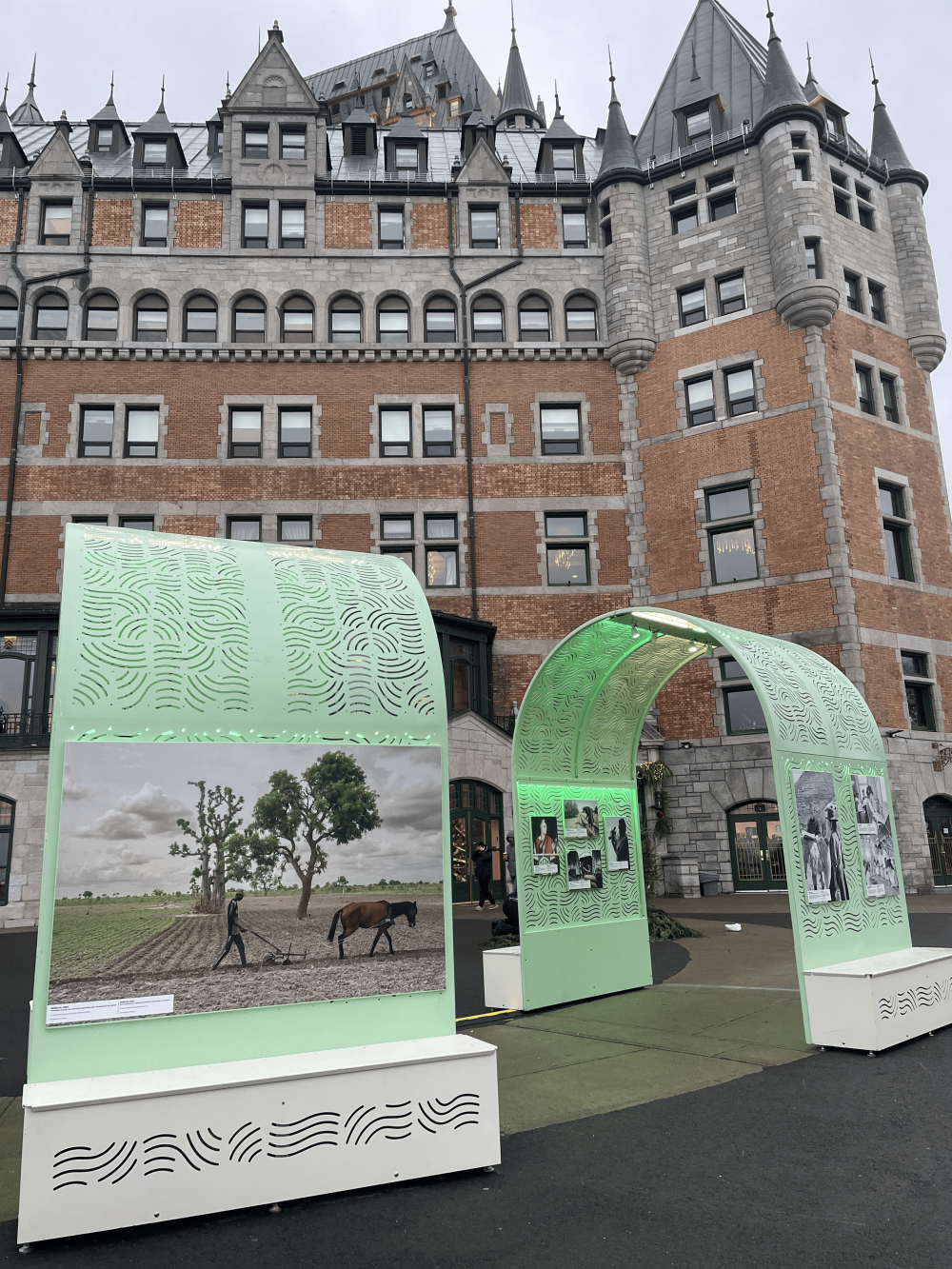
The celebrations also extended to Old Québec. For 12 days, a collection of historic FAO photographs was displayed at Carré Haldimand, in front of the iconic Château Frontenac, where the organization was founded 80 years earlier.
Presented by the FAO and Desjardins, the exhibition traced eight decades of efforts to combat hunger and improve food security around the world.