Tunisia
In Tunisia, 1,715 people were directly reached through our activities this year.
A total of 1,620 women received support in their leadership journey, helping to increase their participation and influence within their organizations and communities.
PSSEETAT




Strengthening Economic and Environmental Services for Tunisian Women in the Agri-Food Processing Sector (PSSEETAT)
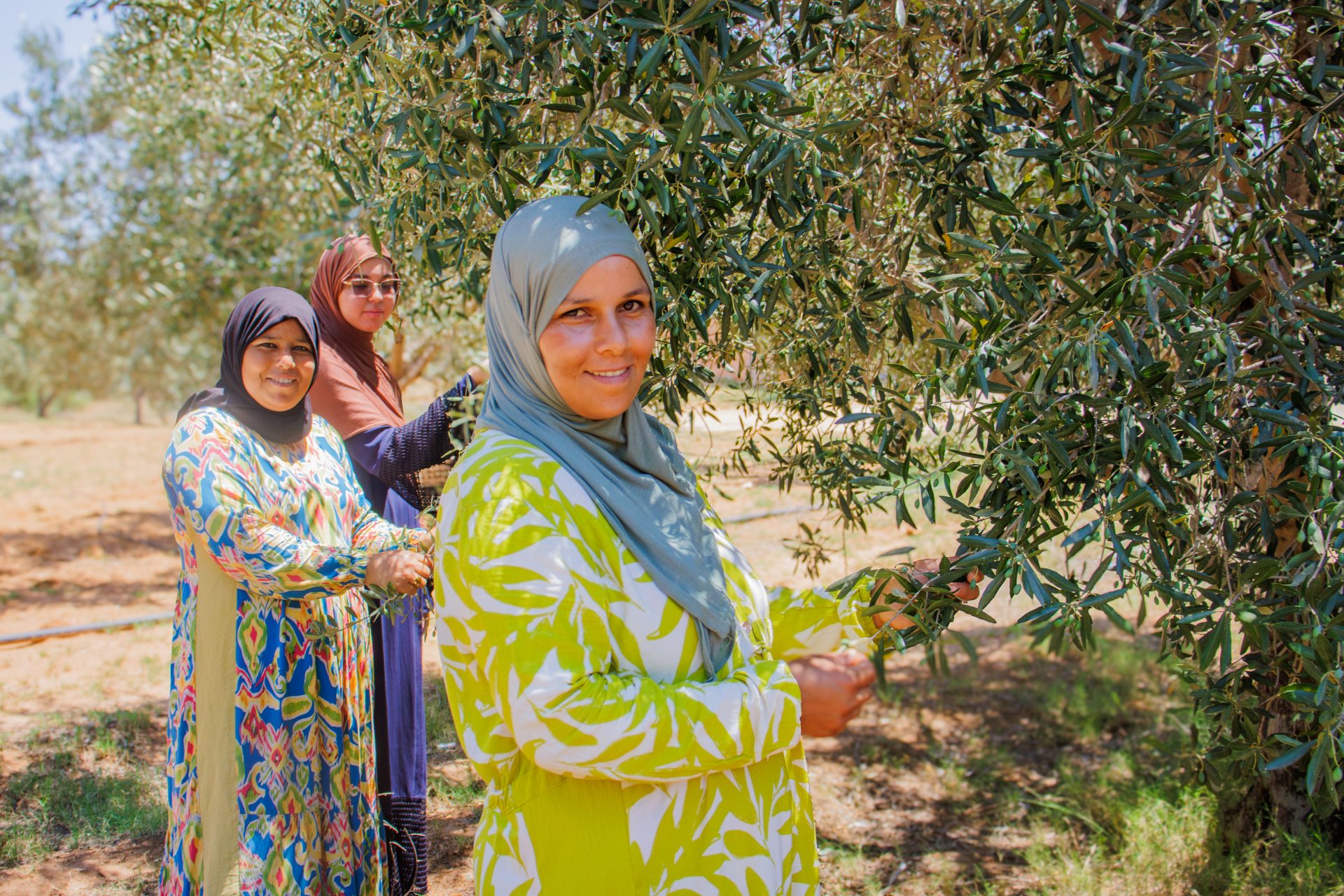
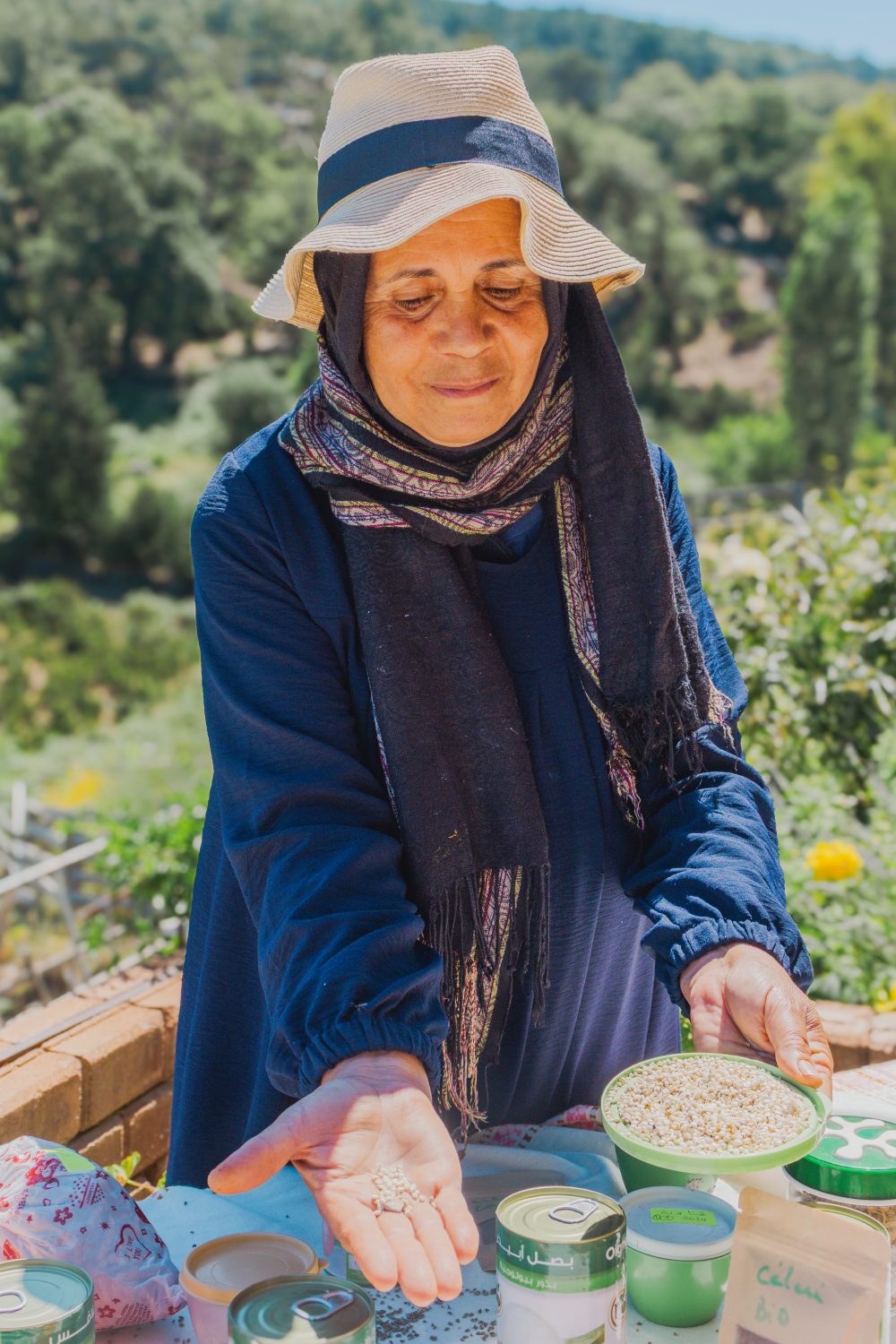
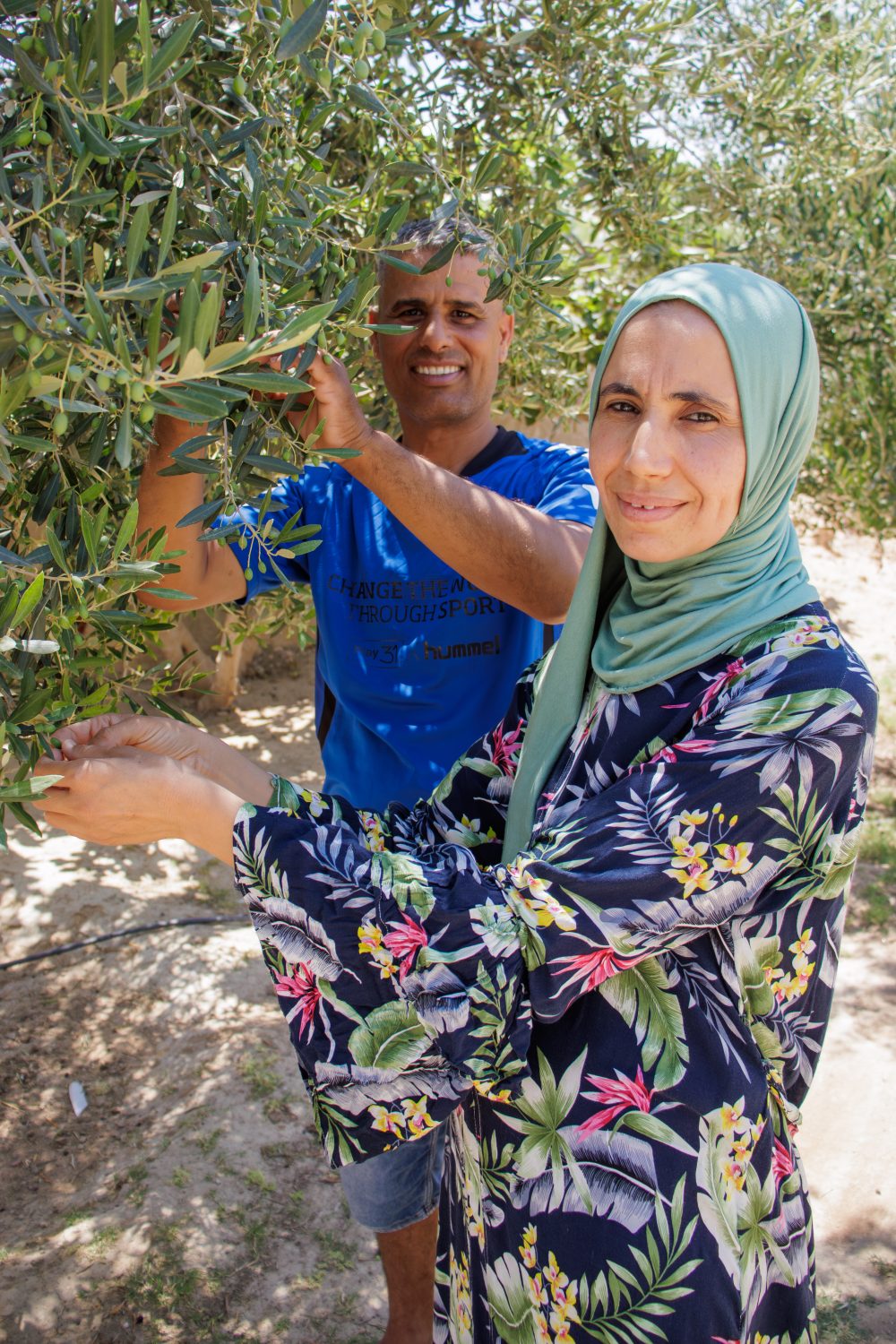
For the fourth consecutive year, PSSEETAT continued to support women working in the agri-food processing sector across six governorates in Tunisia. A total of 1,715 people, including 1,621 women, took part in training sessions covering some 15 topics, ranging from agroecology and public speaking to marketing as well as hygiene and sanitation standards.
These training sessions play a key role in strengthening the skills of women processors and have contributed significantly to increasing membership in the participating agricultural professional organizations.
“Women keep knocking on our door to join us. We are already at capacity, but we have chosen to welcome everyone so they can benefit from the training. And when they are unable to travel to trade fairs, I take care of marketing their products and distributing the proceeds.”
- Habiba Maatallah, President of the El Khir Wel Barka Agricultural Development Group (GDA), Boumerdes, Mahdia Governorate
Over the past year, the project also provided an opportunity to identify and share best practices in management and inclusive governance, climate change adaptation, and access to financial services among 12 women's agricultural professional organizations.
A Major Event with a Local Flavour
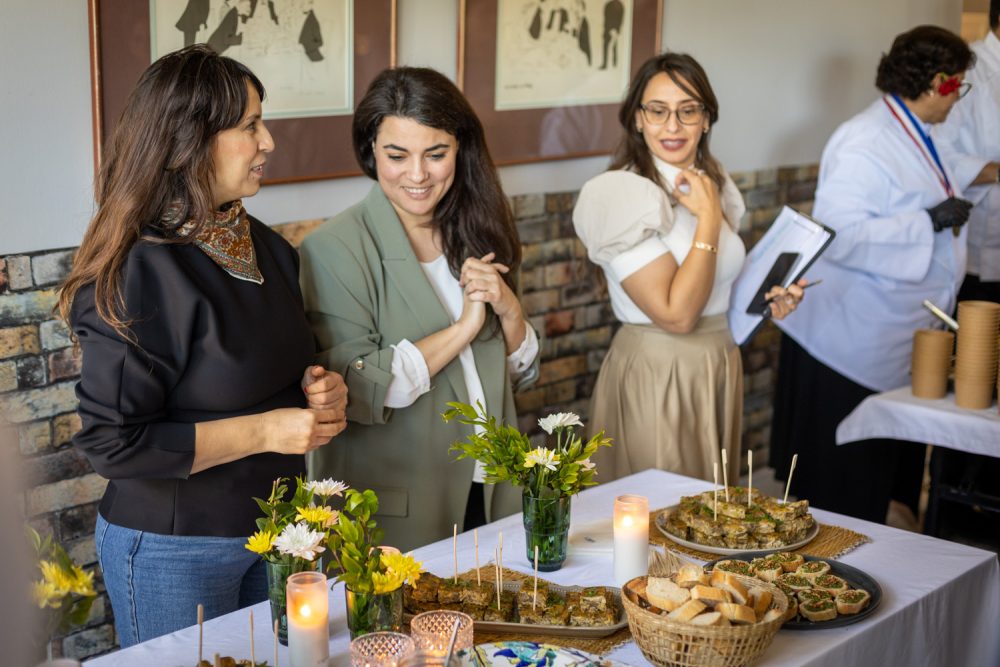
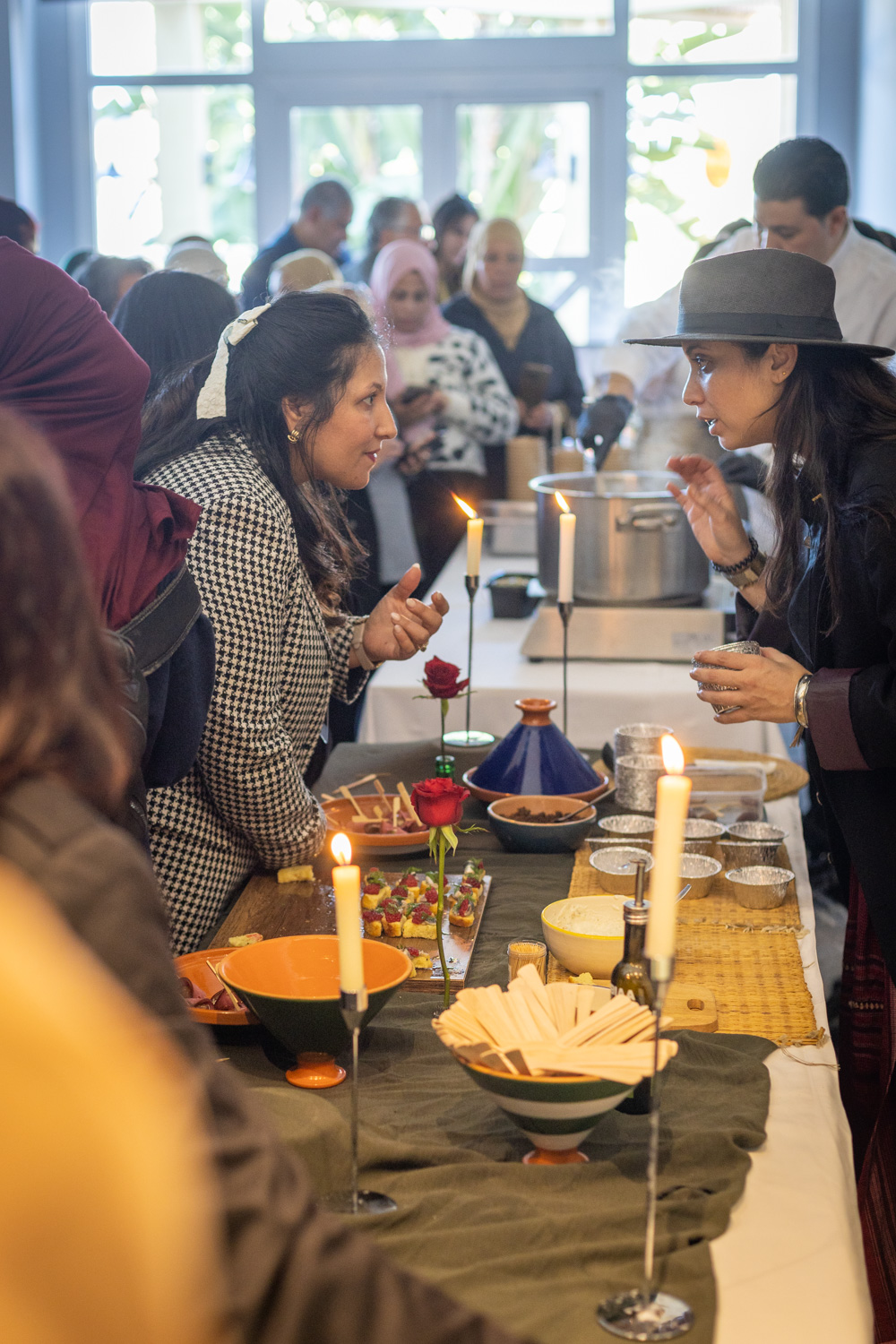
In the Spring of 2026, a seminar dedicated to promoting local products was hosted. More than 115 people attended the event, which featured an original and inspiring program built around the presentation of a study on the promotion and marketing of seven local products:
- Téboursouk olive oil
- Djebba figs
- Nedzaoua dates
- Mahmoudi wheat
- Prickly pear
- Moroccan argan oil
- Algerian honey
Participants discussed challenges related to market access, marketing and branding, as well as the role these products can play in strengthening communities' resilience to climate change.
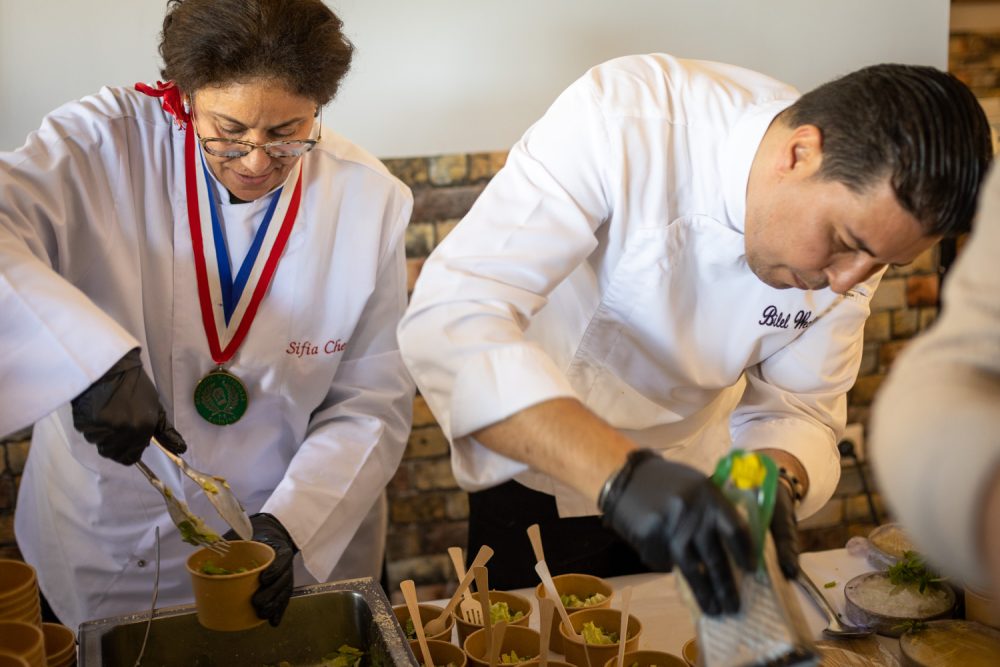
To add a local flavour to the event, three chefs shared their unique take on local products before leading a cooking demonstration, and participants were invited to sample the dishes.
“Tunisian cuisine is among the most appreciated in the world, and it is never too late to showcase it.”
- Chef Mounir El Arem
The event left participants inspired and full of new ideas for showcasing and promoting their products.
As PSSEETAT enters its final year, one thing is clear: Tunisian women food processors are ready to play an even greater role in the country's agri-food sector.
The PSSEETAT is implemented in collaboration with the Union tunisienne de l’agriculture et de la pêche (UTAP) and the Union maghrébine et nord-africaine des agriculteurs (UMNAGRI). It is made possible thanks to financial support from the Government of Canada, through Global Affairs Canada, and from Spanish Cooperation, through the Spanish Agency for International Development Cooperation (AECID).

Women Inspiring Women
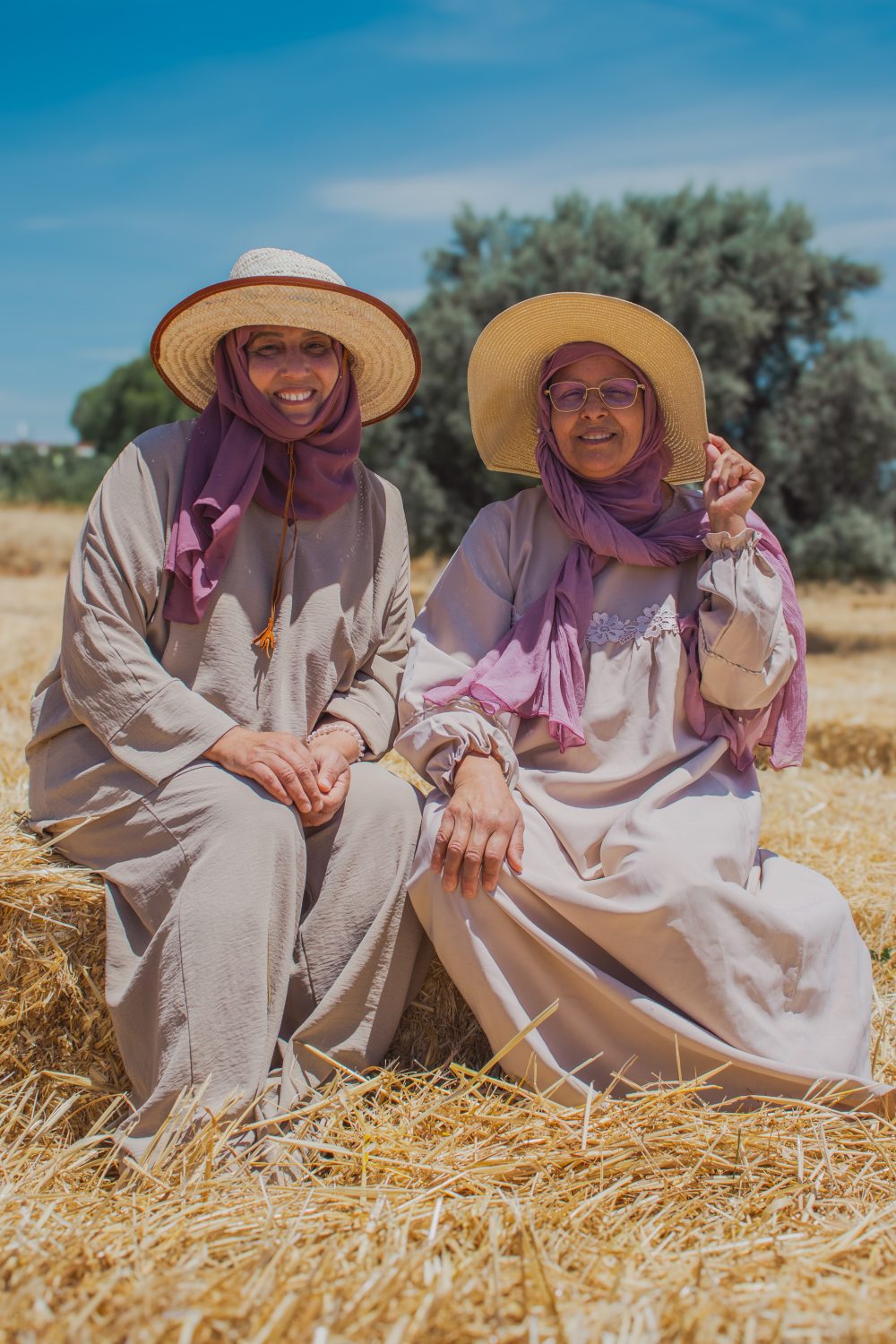
Once again this year, exchanges between the Women Farmer of Quebec and Tunisian women working in the agri-food processing sector continued to flourish.
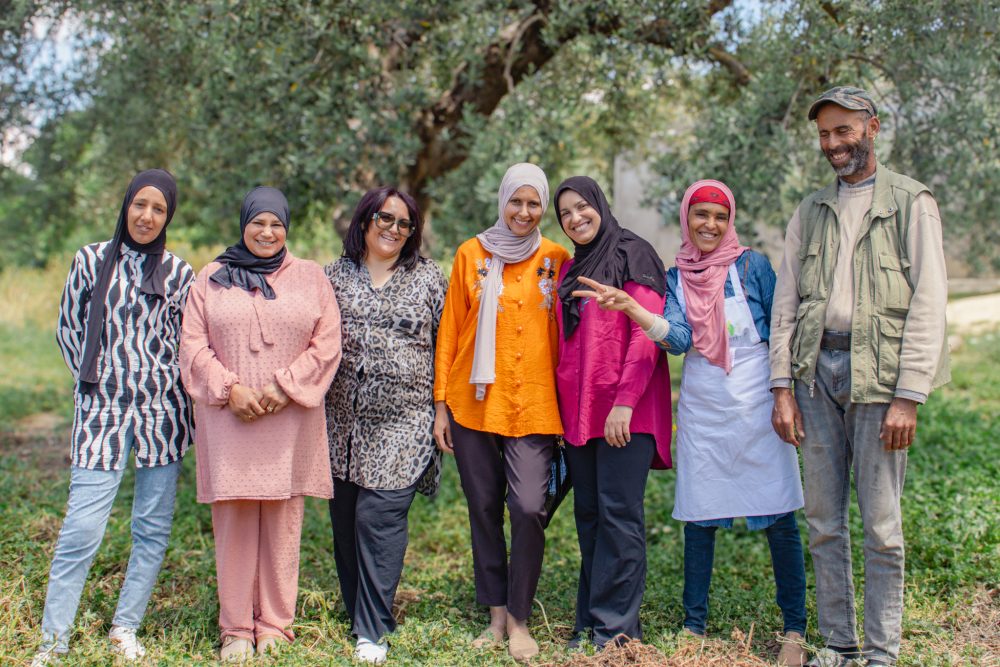
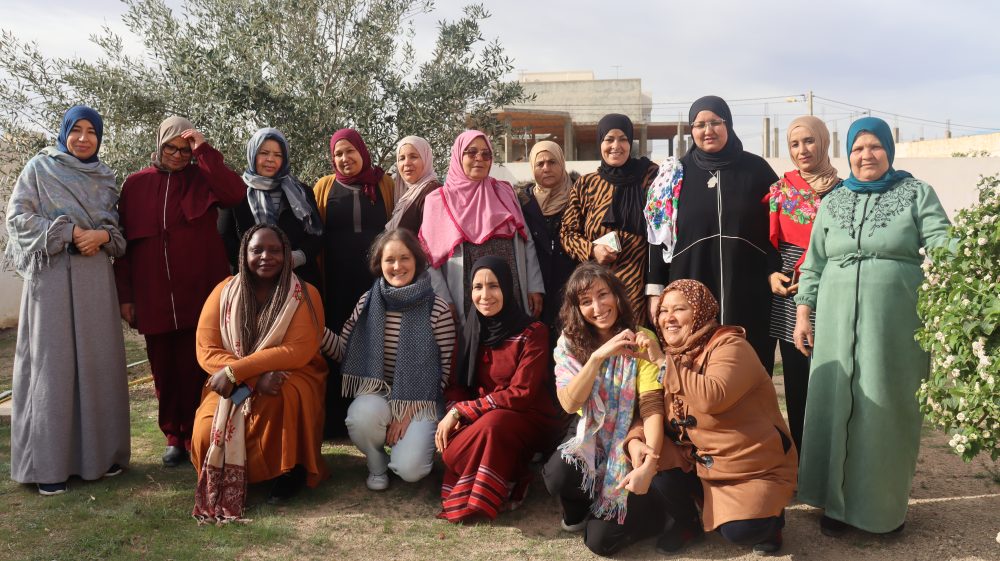
Four volunteer women farmers from Quebec, Julie Grégoire, Marie-Pier Nadeau, Elena Pavlova, and Abbi Spencer, travelled to Tunisia to meet with these entrepreneurs and discuss topics that are central to their businesses: inclusive governance, promoting local products, and collective marketing.
By sharing their own experiences, shaped by challenges, successes, and perseverance, the volunteers showed that many of the obstacles faced by women in agriculture transcend borders. Their openness encouraged honest conversations about work-life balance, professional recognition, and access to resources, while helping participants gain confidence in their own abilities.
Drawing on real-life examples, the women from Quebec led practical workshops that provided participants with tools and ideas they could apply directly to their businesses. Special attention was also given to strengthening collaboration among women-led enterprises and promoting local initiatives.
By fostering peer-to-peer learning and showcasing inspiring women leaders, the volunteers helped strengthen connections among participants and build a network of mutual support. The women returned home feeling more confident, better equipped, and motivated to grow their businesses while inspiring other women in their communities.

Recognizing and Sharing Women's Expertise
In Tunisia, volunteer Marie-Soleil Sturm-Aubert has supported women entrepreneurs participating in the PSSEETAT program through a series of long-term assignments. Her goal is to promote gender equality, strengthen women's leadership, and showcase women's expertise.
Rather than offering ready-made solutions, Marie-Soleil adopted a participatory approach that encouraged participants to share their experiences, celebrate their successes, and learn from one another.
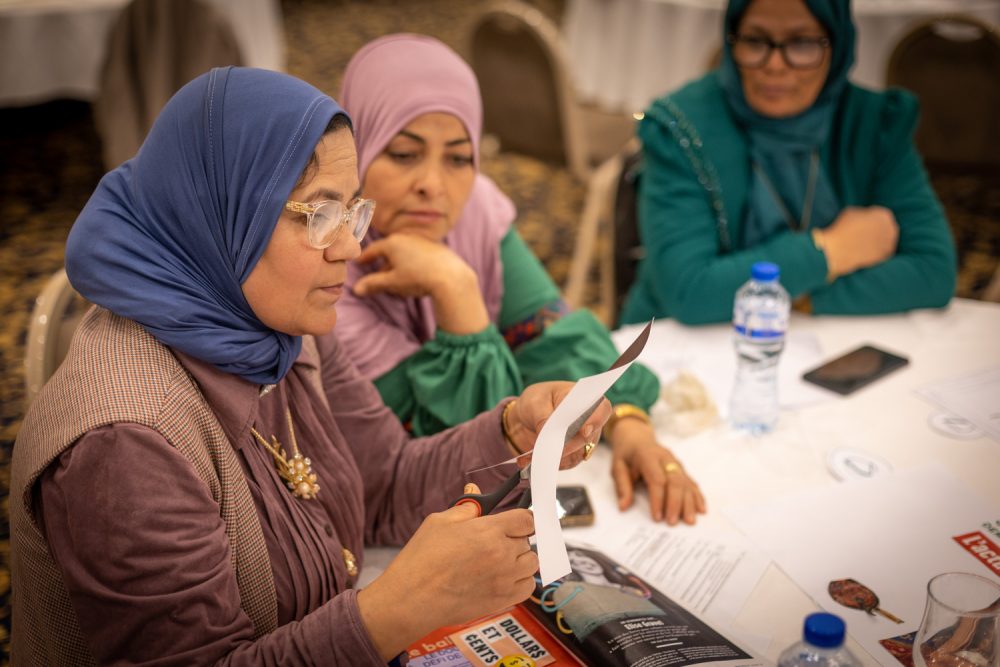
Through workshops focused on sharing best practices, participants worked together to identify practical solutions to challenges related to production, processing, and marketing. These best practices were then documented in a series of fact sheets and shared with all participants so they could adapt and apply them to their own activities.
These exchanges also created opportunities for discussion around gender stereotypes, inclusive governance, and the role women play in the development of their communities.
"Being seen, listened to, and heard helped many women realize that they were not alone and that their experiences had real value."
- Marie-Soleil Sturm-Aubert