Benin
Femmes-Hwé-Nou




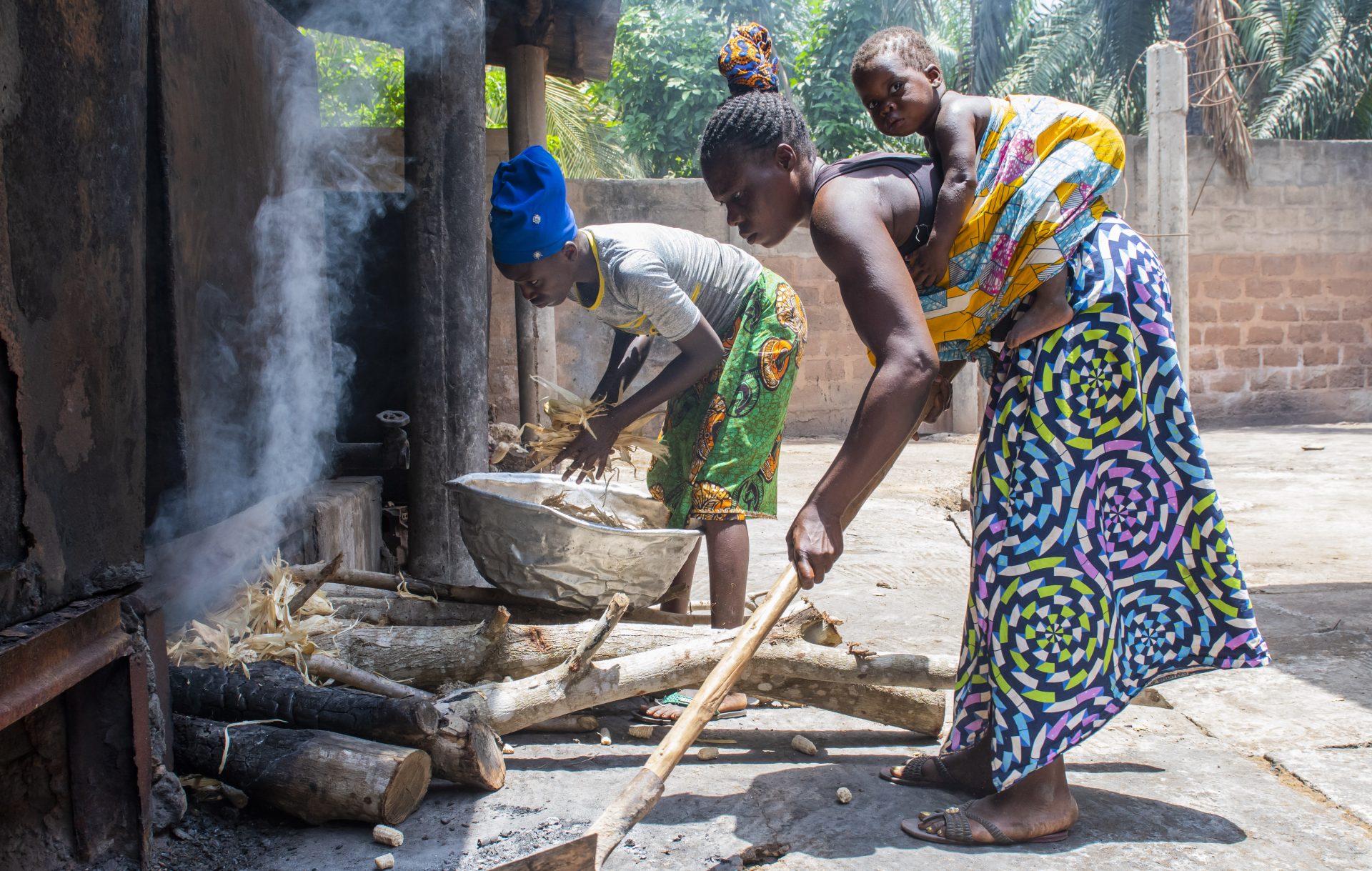
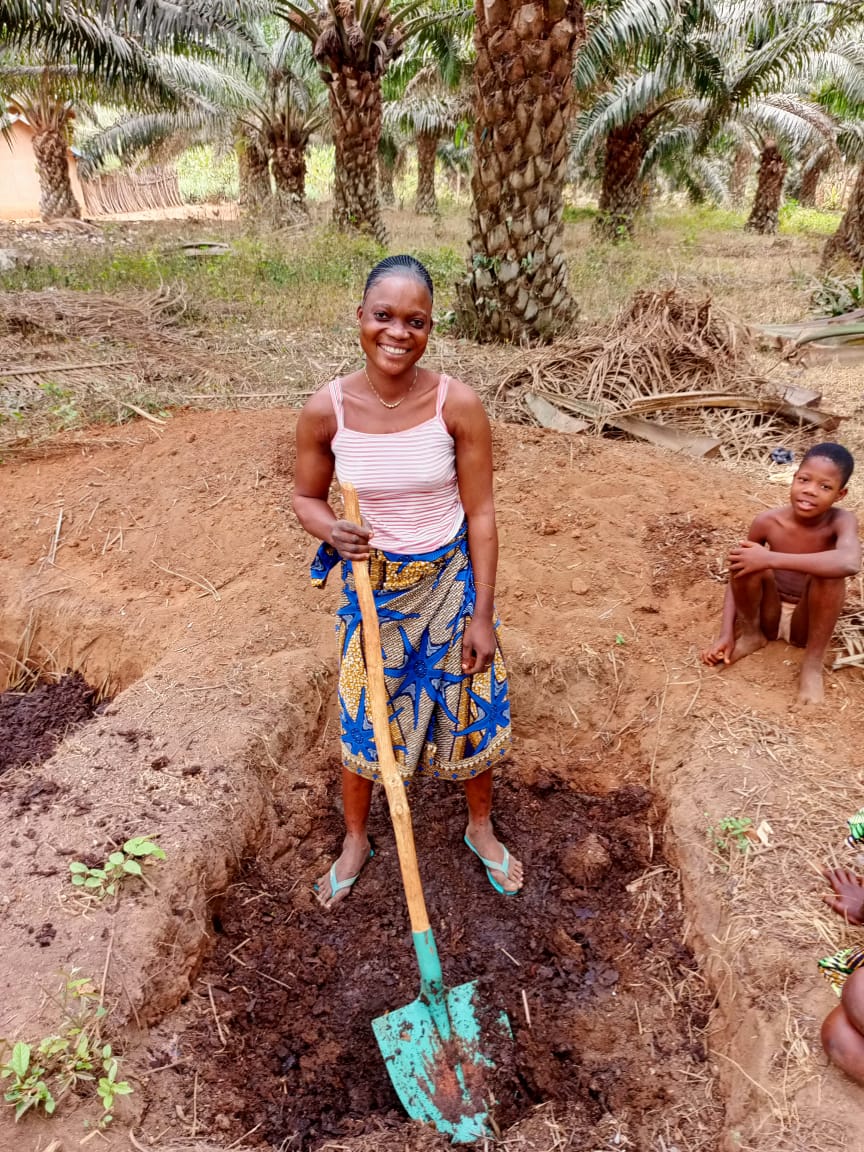
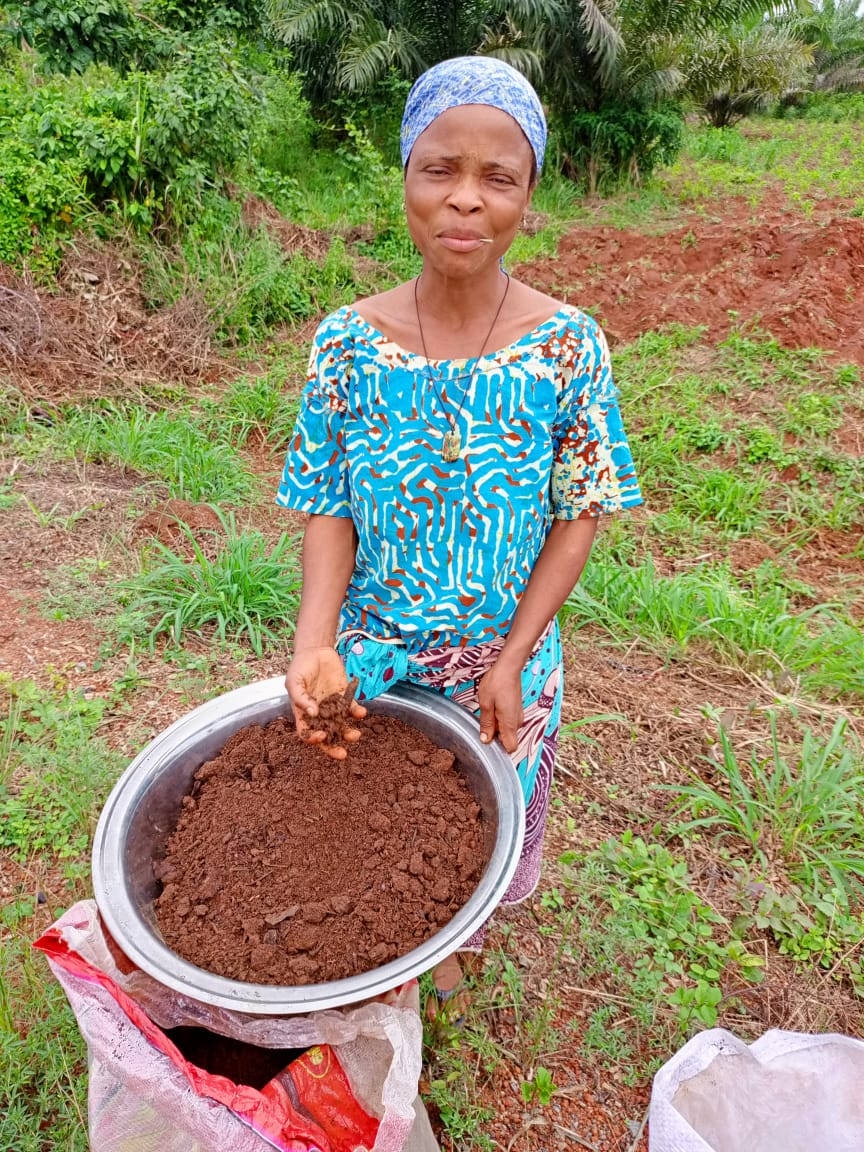
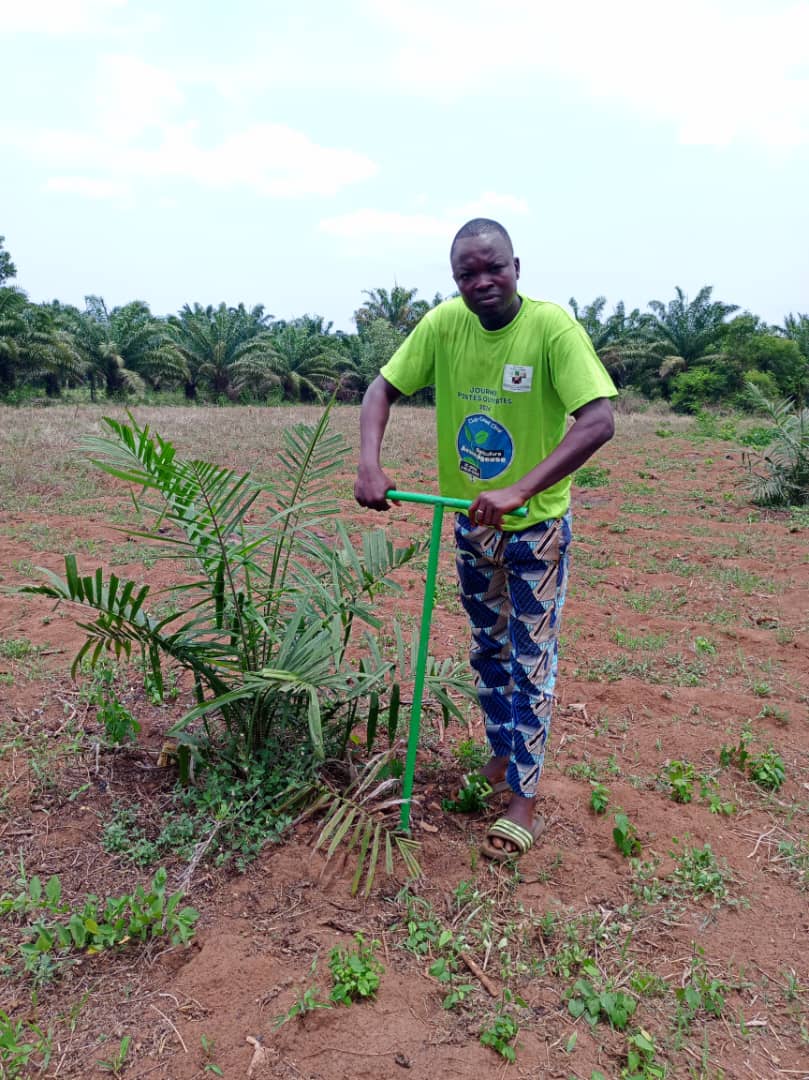
The Femmes-Hwé-Nou project has helped women farmers and young people entering the agricultural sector in Benin strengthen their resilience to climate change by adopting best practices in sustainable agriculture and soil health.
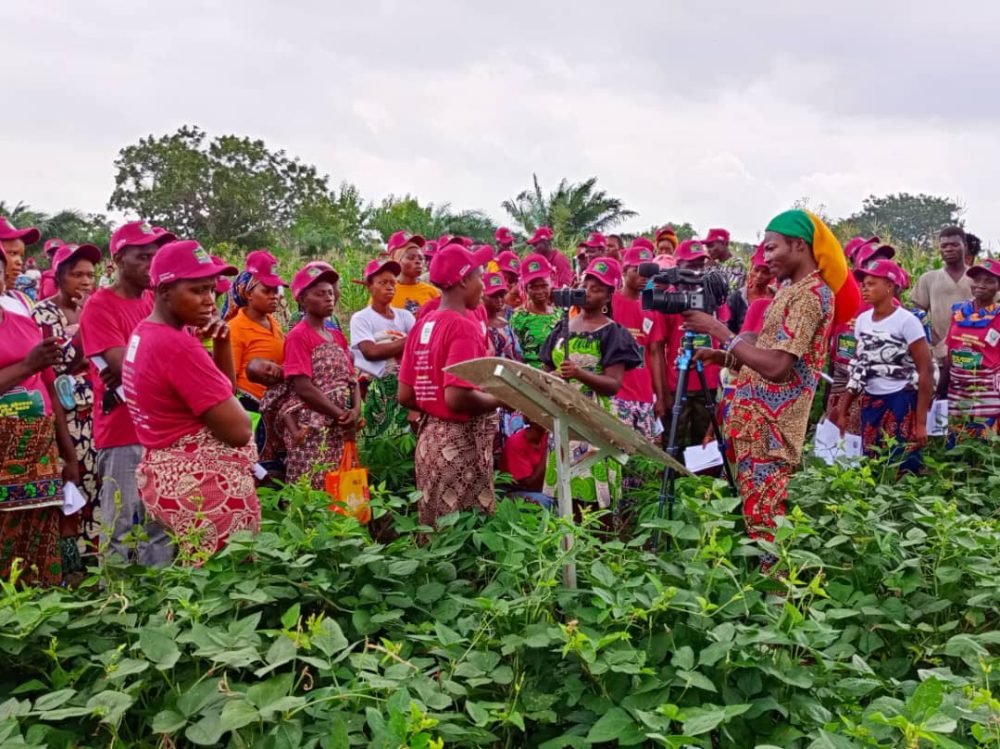
In December 2025, the project reached a major milestone. After more than a year of testing within climate advisory clubs, these best practices began to be scaled up across the three partner agricultural organizations: the Union communale des producteurs (UCP), the Réseau coopératif des organisations professionnelles de manioc et de maïs (RC-OPMM) and the Union des groupements coopératifs des agriculteurs Mowossokpo (UGAM).
In total, 6,855 people, including 3,349 women and 3,661 young people, participated in training activities and climate advisory clubs, where they were able to test and adopt new practices on their farms.
Progress Toward Gender Equality
This year also marked the launch of a major gender equality awareness campaign.
In several villages, discussion groups were established to provide women farmers with safe spaces to share their experiences, build their confidence, and strengthen their knowledge of sustainable agriculture, financial management, and gender equality.
To encourage dialogue around social norms, communities chose an original approach: humor. Role-playing activities, board games, and humorous videos created by participants helped spark conversations on sensitive issues such as positive masculinity, the sharing of household responsibilities, and women's participation in economic and community life.
In Adja-Ouèrè, these discussions extended to village and religious leaders to ensure that gender equality issues receive greater consideration in community life and decision-making processes in the futur.
Although the project will end soon, the foundations are already firmly in place for women farmers and the next generation of young agricultural entrepreneurs to strengthen their climate resilience, take on greater leadership roles within their organizations, and contribute to the development of their communities.
Femmes-Hwé-Nou is made possible through financial support from the Government of Quebec under the International Climate Cooperation Program (PCCI), an initiative of the 2030 Green Economy Plan.

Via Pôle Support to Climate Advisory Clubs
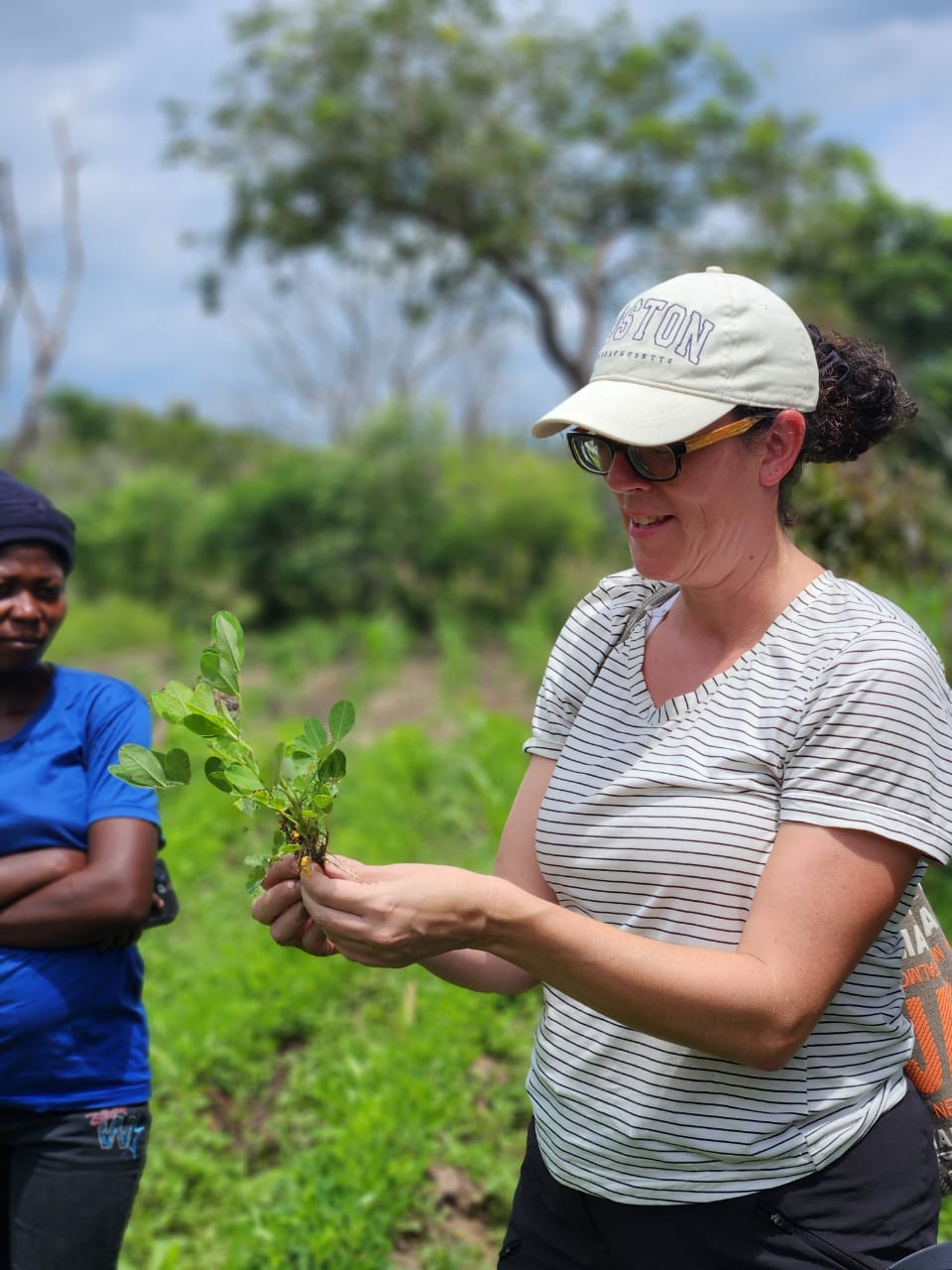
Over the past year, agronomist Éliane Martel, Director of the Lavi-Eau-Champ agro-environmental advisory club and a consultant with Via Pôle, worked alongside the climate advisory clubs involved in the Femmes-Hwé-Nou project.
During two visits to Benin, she supported local teams in structuring the climate advisory clubs and developing an advisory approach centered on the needs and realities of local farmers.
By emphasizing active listening, trust-building, and adaptation to local conditions, her guidance helped strengthen the autonomy of the climate advisory clubs. The tools, methods, and vision she shared will continue to support their growth and development for years to come, well beyond the life of the project.

Via Pôle Support to Climate Advisory Clubs
Over the past year, agronomist Éliane Martel, Director of the Lavi-Eau-Champ agro-environmental advisory club and a consultant with Via Pôle, worked alongside the climate advisory clubs involved in the Femmes-Hwé-Nou project.
During two visits to Benin, she supported local teams in structuring the climate advisory clubs and developing an advisory approach centered on the needs and realities of local farmers.
By emphasizing active listening, trust-building, and adaptation to local conditions, her guidance helped strengthen the autonomy of the climate advisory clubs. The tools, methods, and vision she shared will continue to support their growth and development for years to come, well beyond the life of the project.

