Senegal
In Senegal, our activities directly reached 3,567 people this year. They also helped foster and strengthen the leadership of 1,398 women within their organizations and communities.
Kéew - SAGA 2



The Beginning of a Bountiful Future
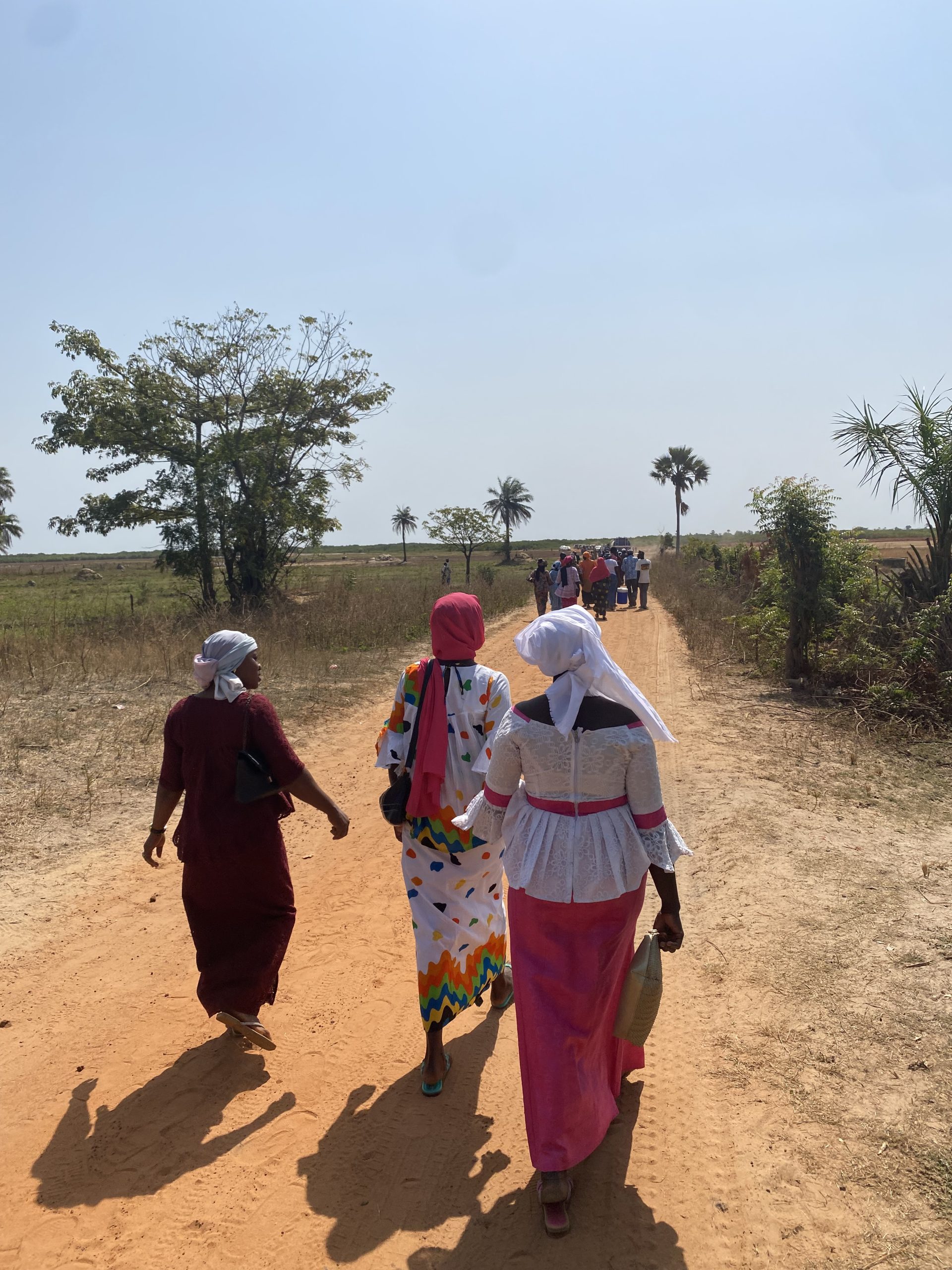
The Kéew project, which concluded in December 2025, demonstrates that by implementing simple, tailored solutions and engaging communities, it is possible to transform the land and the lives of those who cultivate it.
In just 18 months, Kéew increased climate resilience and improved agricultural yields for the rural communities of Ngouye, Kahi, and Bayakh through improved agricultural practices and better soil health management.
To test, adapt, and share these practices, three climate advisory clubs were established within partner agricultural organizations: the Fédération des agropasteurs de Diender, the Réseau national des coopératives de producteurs de semences and the Union régionale des associations paysannes de Diourbel.
Each club brought together 10 women farmers and 10 men farmers, ensuring equitable participation by both women and men. The process was supported by rigorous agronomic monitoring and preceded by a biodiversity assessment to better track the results.
Among the best practices tested, composting, the use of organic matter, and the application of phosphate to correct soil acidity yielded the best results. The results were quickly apparent: 93.5% of the participants reported an improvement in their yields.
“There were some areas that were infertile. Organic compost and best practices helped increase yields. For example, I grow turnips. I used to harvest 300 to 400 kg, but this year I harvested a metric ton of turnips!”- A farmer from the Bayakh Club
In addition to increasing agricultural yields, the project had a direct impact on the participants. Surveys conducted at the beginning and end of the project revealed the following results:
In addition to increasing agricultural yields, the project had a direct impact on the participants. Surveys conducted at the beginning and end of the project revealed the following results:
- (up from 6 at the start of the project)
- More knowledge
- Increased income
- Greater leadership
- Greater self-confidence
- More knowledge and motivation
- Better water management
- Greater mutual support

“Compost has been beneficial for us. Before, after the rainy season, we would set aside some money to buy fertilizer, but now we no longer spend money on that and can use the money for family expenses like buying cooking oil, rice, etc.”— Fatma Mbaye, a farmer from Ngouye
The results are so encouraging that farmers in the village of Kahi have decided to fund the creation of a second climate advisory club themselves!
Beyond the numbers, Kéew has helped create a new dynamic within the participating communities and with neighboring villages. Collaboration and knowledge sharing are now part of daily life, and the practices developed through the project will continue to bear fruit for years to come.
Kéew is implemented by UPA DI and the Conseil national de concertation et de coopération des ruraux (CNCR). It is part of the Food Security and Agriculture: Accelerated Adaptation (SAGA 2) initiative, coordinated by the FAO with technical and financial support from the Government of Quebec through the Ministry of International Relations and La Francophonie. Additional support is provided by the Government of Canada through the thematic funds of UPA DI's Agro-Innov Network.


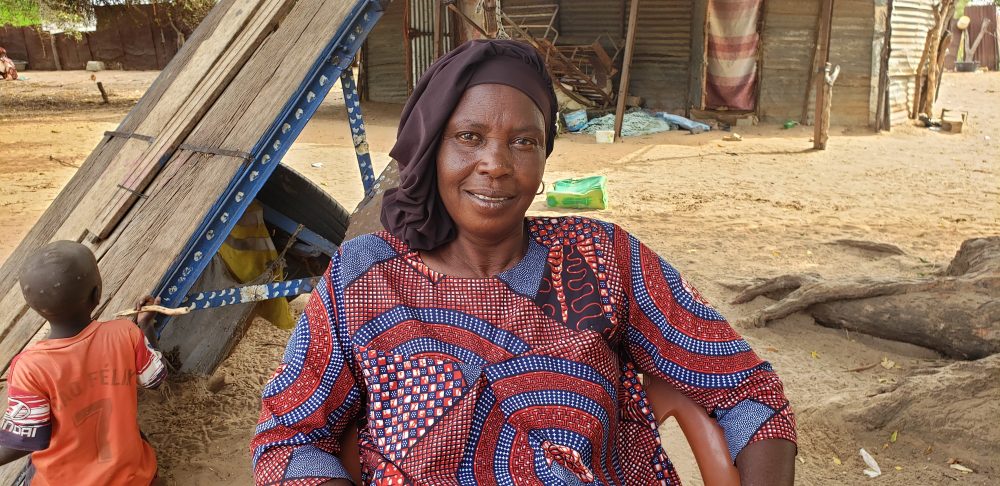
Amy Faye, a Leader Helping Her Community Grow
Before joining the Kéew project, Amy Faye farmed a rented plot of land on her own to provide for her family. Despite her hard work and the use of chemical fertilizers, her harvests remained modest.
Selected as a lead farmer, she received training from several Agro-Innov Network volunteers and from teams at the Conseil national de concertation et de coopération des ruraux (CNCR). She quickly adopted agroecological practices that proved successful, including composting, mulching, intercropping, agroforestry, and the use of weather data to plan farm activities.
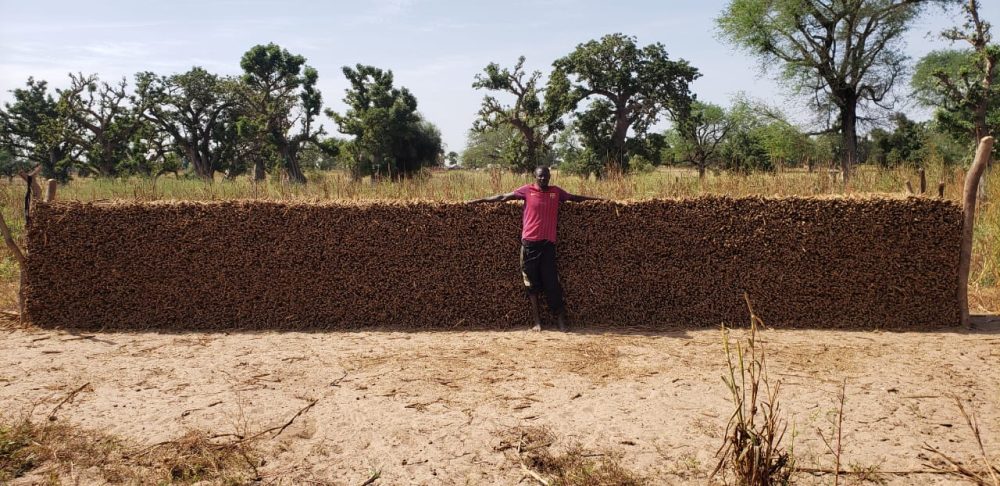
By replacing chemical fertilizers with compost, Amy increased her millet production from about two 80-kilogram bags to six or eight. Her harvests now meet her family's food needs, while her spending on agricultural inputs has decreased significantly.
But Amy's impact goes far beyond her own field. As a lead farmer, she continues to support farmers in her village and share best practices. More confident than ever in her role as president of the Thiakhar Women's Federation, she is mobilizing her community and inspiring other women to step forward and take on leadership roles. In fact, three young participants have already said they hope to follow in her footsteps.
"I have a responsibility to pass on what I've learned because I had the opportunity and the privilege of being selected for this project."
- Amy Faye
Circular Economy
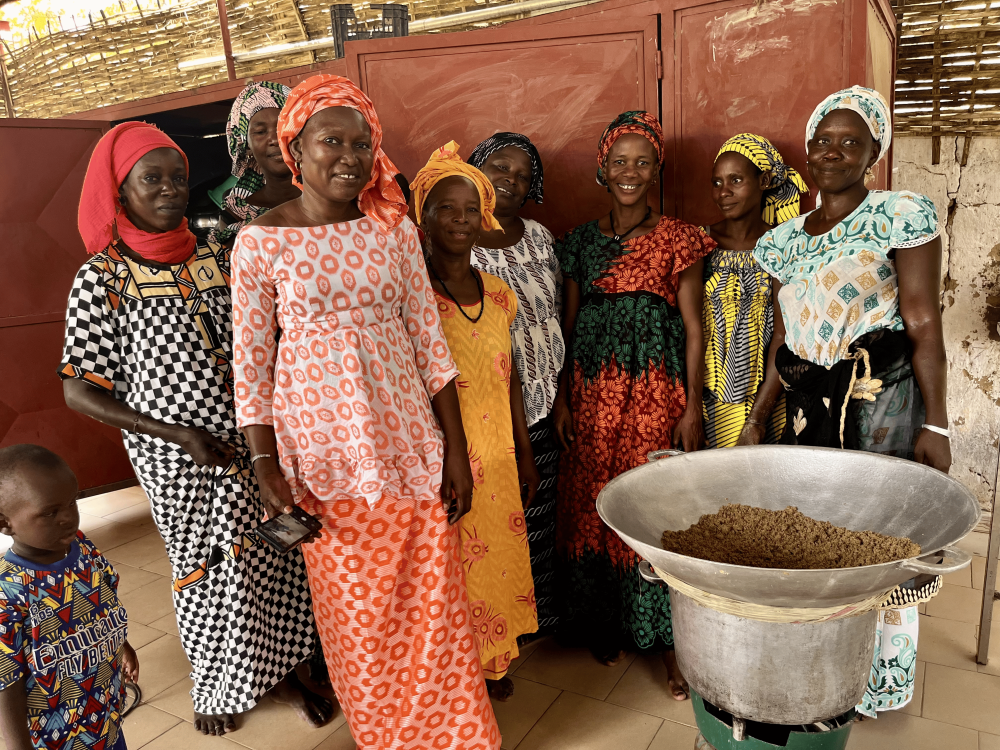
The circular economy program, implemented in partnership with the Union régionale des associations paysannes de la région de Diourbel (URAPD), continues to gain momentum in Senegal.
In February 2026, the program expanded to a second community. Following the success of the initiative in Mbokhodane, the village of Ngueye Ngueye officially joined the program, and students at the village school have already benefited from 27 days of school meals. During the 2025-2026 school year, the two school canteens served a total of 44,327 meals to 1,183 students.
With this expansion, 46 women entrepreneurs are now managing the school canteens while also using the facilities to develop their own food processing businesses.
A LocalLY Sourced and Diverse Diet
This year, the canteens increased their reliance on local suppliers. Millet, eggs, niébé beans, and vegetables are now regularly included in students' meals. This greater diversity improves the quality of their diet while reducing dependence on more costly sources of protein.
Empowered Women
The women managing the canteens continued to strengthen their skills in entrepreneurship, fruit and vegetable processing, food preservation, and soap making.
This latest training quickly produced results. Already, 105 bars of soap have been sold, creating a new source of income for participating women.
An Approach Taking Root in Mbokhodane
In Mbokhodane, the community is becoming increasingly self-reliant and now covers most of the program's costs. Parents contribute to the operation of the school canteen by providing food products, which are either used to prepare meals or sold to help fund its activities.
The enthusiasm generated by this approach is paving the way for its expansion to other villages. It is a powerful example of how investing in local food systems, women's entrepreneurship, and community mobilization can create lasting change in rural communities.
Congratulations to everyone working to make the circular economy program a success!
UPA DI extends its heartfelt thanks to all its donors for their generous support of the circular economy program.

Building Local Skills in a New Cooperative
In Senegal, volunteers Frédéric Turgeon Savard and Noémie Laurendeau-Rousseau combined their expertise to support the Société coopérative des exploitants agricoles (SCEEA). Through technical and organizational support, they helped strengthen this new cooperative's capacity in several key areas.
A vegetable producer and long-time UPA DI ally, Frédéric led training sessions on organic farming practices, promoting sustainable approaches such as the use of biopesticides, mulching, companion planting, and agroforestry.
Participants greatly appreciated the training and came away with practical solutions they could apply on their own farms to improve yields while strengthening their resilience to climate change.
For her part, Noémie began by helping the cooperative conduct a self-assessment of its organizational capacity. This exercise highlighted the organization's strengths, identified its main challenges, and helped determine its priority capacity-building needs. Building on these results, she then delivered training sessions on women's leadership, marketing, and communications.
The results were quick to follow. After the training sessions, four women expressed interest in serving on the cooperative's board of directors, while about 10 others volunteered to join a committee tasked with developing a collective produce marketing service.
Thank you to Frédéric and Noémie for their dedication and for sharing their expertise!