Annual Report 2025-2026
Annual Report
2025-2026

Bolivia

This year, our activities in Bolivia directly reached 2,786 people and helped strengthen the leadership of 158 women within their organizations and communities
Back to all projects

Community Chicken Coop

Chickens to Nourish the Soil

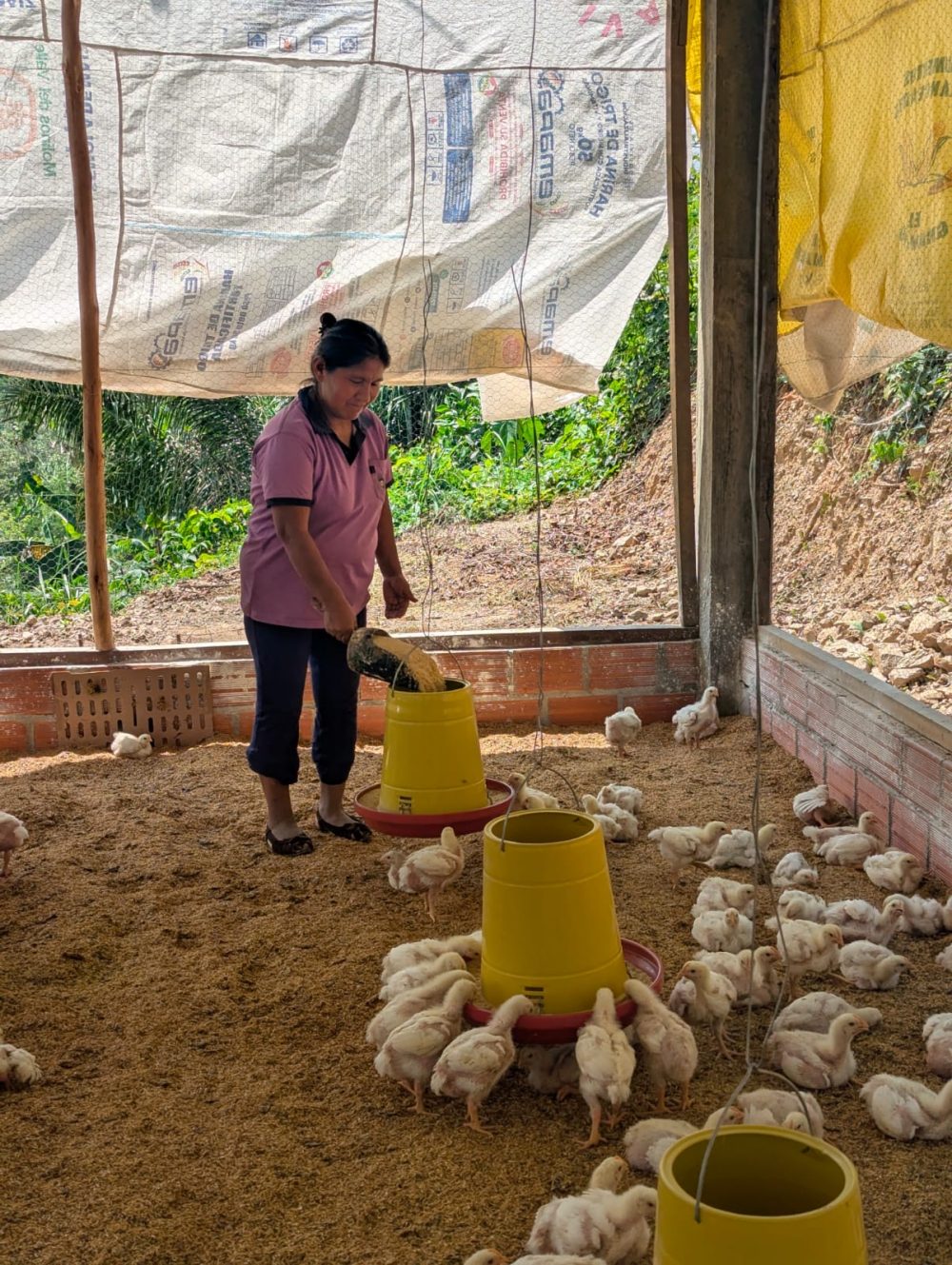
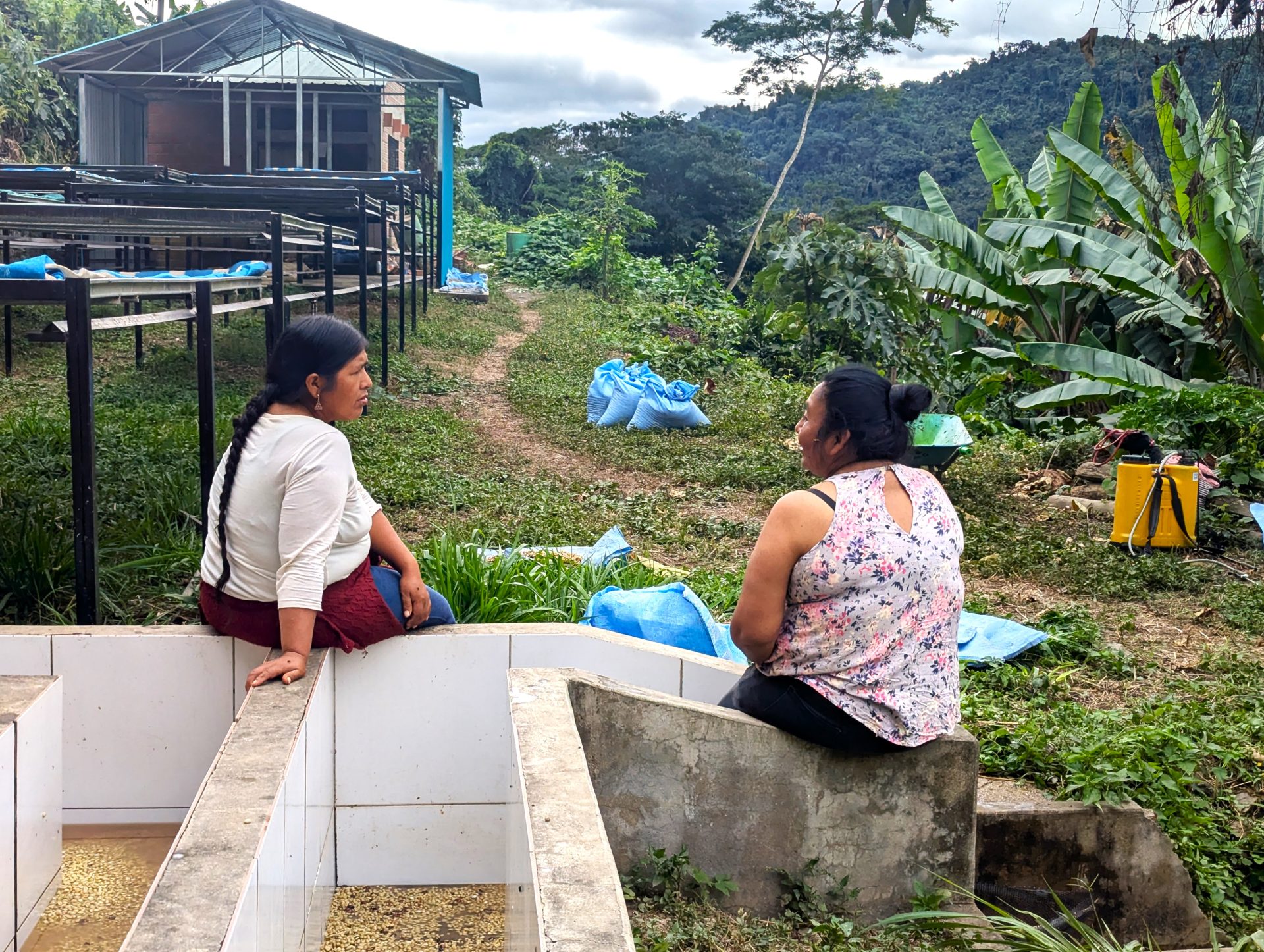
In 2025, members of the Women’s Committee of the Central Local de Cooperativas Agropecuarias Caranavi Ltda (CELCCAR) launched a new initiative that is now benefiting their entire cooperative: a community chicken coop designed to produce natural fertilizer.

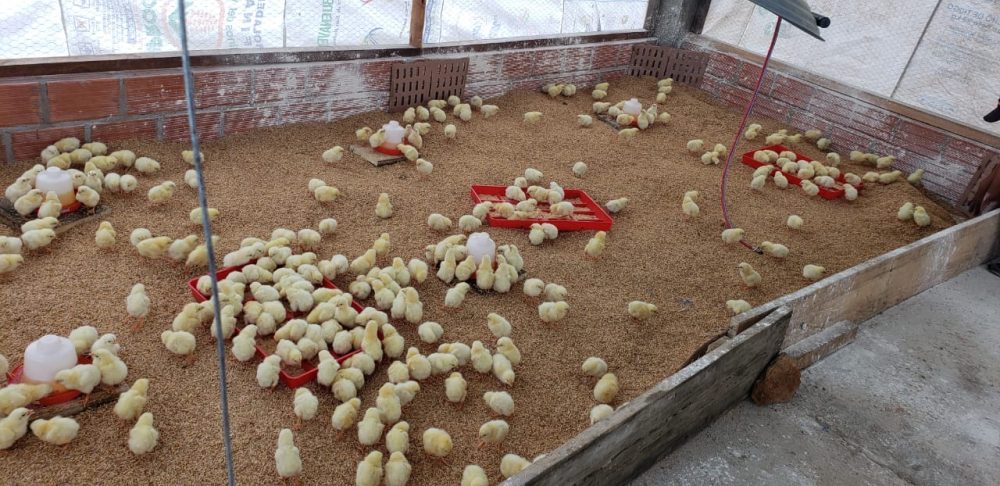
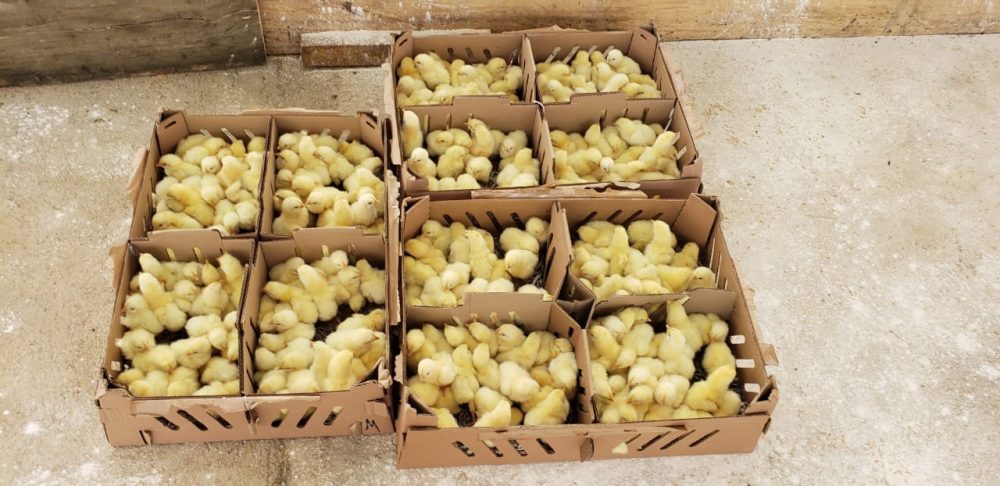
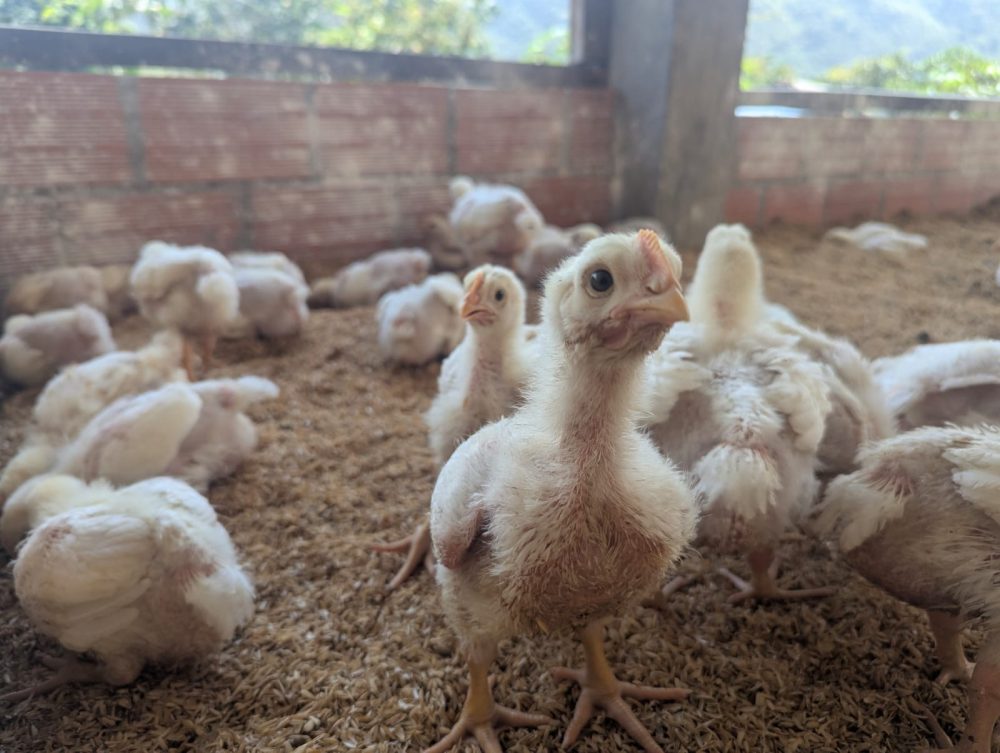
Thanks to the Agro-Innov Network’s thematic fund for women’s entrepreneurship, the 70 participating women received training in best practices for poultry farming and composting, and 300 chicks were introduced into the coop.

The chicken manure is composted along with other organic materials to produce natural fertilizer, which is then distributed to CELCCAR’s coffee producers. This initiative helps improve soil fertility while lowering the cost of agricultural inputs.

The service was also designed with long-term sustainability in mind. Once the chickens reach maturity, they are purchased by cooperative members, and the proceeds are reinvested in the purchase of a new batch of chicks, ensuring the continuity of the initiative.

The women of CELCCAR are very proud of this first project led entirely by women. Beyond its economic and environmental benefits, the initiative empowers women farmers to develop their entrepreneurial skills and take on a leadership roles within  the agricultural development of their region.
Creating Spaces for Women

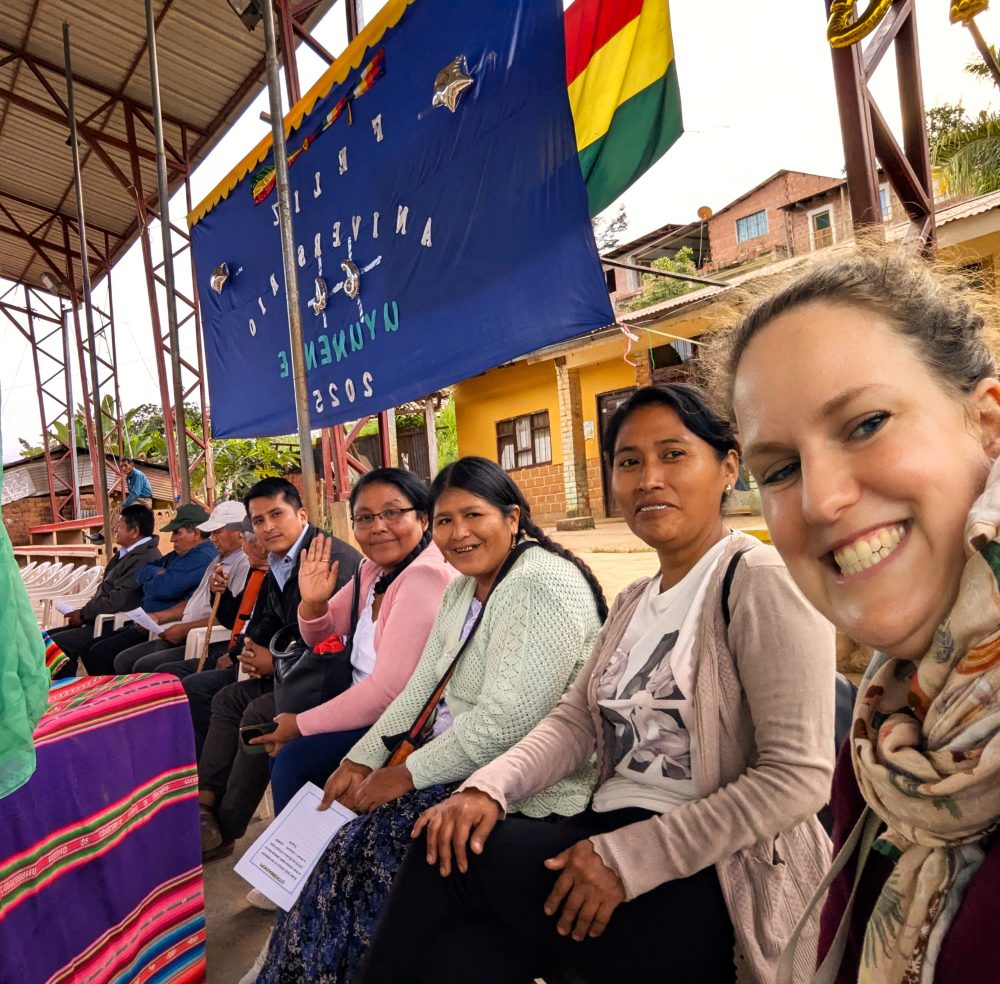
Volunteer Yasmine Adelantado’s work with the CELCCAR Women’s Committee went far beyond technical support.

By taking the time to listen to participants and understand their realities, she helped them identify their training needs, strengthen their communication skills, and advance their project.

Yasmine helped organize training sessions, coordinate the installation of the chicken coop, and contributed to the development of educational resources on poultry production.

Her most significant contribution, however, was the creation of spaces dedicated to women. These weekly meetings gave participants an opportunity to express themselves more freely, share their ideas, and take an active role in decision-making. This approach not only contributed to the project's success but also helped reveal and strengthen the women's leadership potential.

By leaving behind tools, knowledge, and a participatory approach, Yasmine helped reinforce women's role within the cooperative.

Thank you, Yasmine!
Martin Caron
President of the Board

The contribution of women farmers to food security and global agriculture is immeasurable. Women make up approximately 43% of the agricultural workforce in developing countries and, in many regions, produce between 60% and 80% of the food supply.

Their role extends far beyond agricultural production. Women farmers help ensure household nutrition, promote the sustainable management of natural resources, and contribute to the preservation of biodiversity.

Despite their vital contribution, they continue to face significant inequalities. They have less access than men to land, credit, training, and agricultural technologies. Closing this gap is not only a matter of social justice, but also an economic and food security imperative. According to the Food and Agriculture Organization of the United Nations (FAO), providing women farmers with equal access to resources could increase agricultural yields by 20% to 30% and help lift up to 45 million people out of hunger.

As 2026 marks the International Year of the Woman Farmer, it is more important than ever to recognize and celebrate their work. Supporting women farmers around the world, including here in Quebec, and highlighting their contributions means investing in a more sustainable and food-secure future.

Hugo Beauregard-Langelier
Chief Executive Director

No more setbacks, Mobilizing for Progress

On a crowded bus, it is not uncommon to hear the driver call out to passengers, “Move forward towards the back!”

This expression aptly reflects the state of women’s rights around the world: far too many setbacks are being presented as progress. From sexual and reproductive rights to femicide and online harassment, setbacks are occurring on multiple fronts, from Afghanistan to the United States.

In the face of these setbacks, silence is not an option. To remain silent would be to surrender to injustice. The response must be strong, collective, and sustained. The International Year of the Woman Farmer provides an important opportunity to advance that response.

Although nearly 90% of the world’s 570 million farms are family-run and involve women as farmers, entrepreneurs, mothers, and daughters, women remain far too often invisible: invisible in decision-making processes, invisible in farm management, and, above all, invisible when it comes to income and economic opportunities.

The International Year of the Woman Farmer is an opportunity to shine a light on the essential roles women play throughout the agricultural value chain, from production to marketing. Throughout this year, UPA International Development will help raise awareness of the critical contributions women farmers make to food security, nutrition, and the economic development of their communities.

Beyond 2026, we will continue to stand alongside women farmers, just as we have for more than 30 years. Because advancing equity and justice for women means advancing society as a whole.

Your privacy is important to us. By using this site, you agree to data tracking as described in our Privacy Policy.

Necessary data

The tracking of certain data is required for the operation of the website and therefore cannot be deactivated: choice of language, consent and preference on data tracking, etc.

Mandatory
Optional data

In return, the tracking of certain data is optional and requires your consent: collect statistics on traffic, analyze visitors’ journeys to improve the functioning of the website, offer personalized offers, etc.