Mali
In Mali, 2,620 people directly benefited from our activities this year. Among them, 500 women were supported in strengthening their leadership and becoming agents of change within their organizations and communities.
Dou Touloma



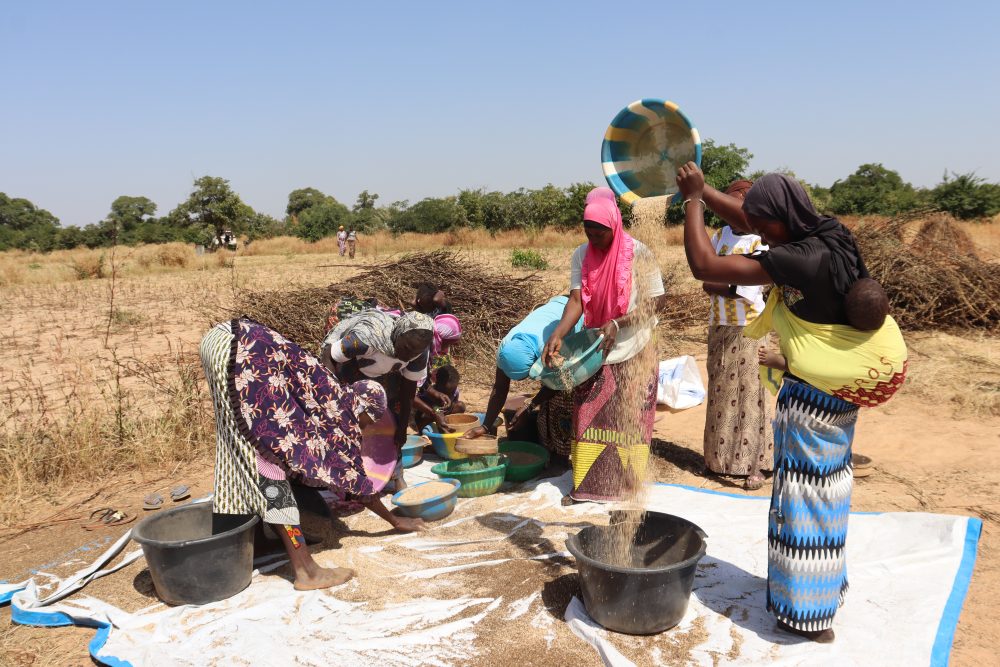
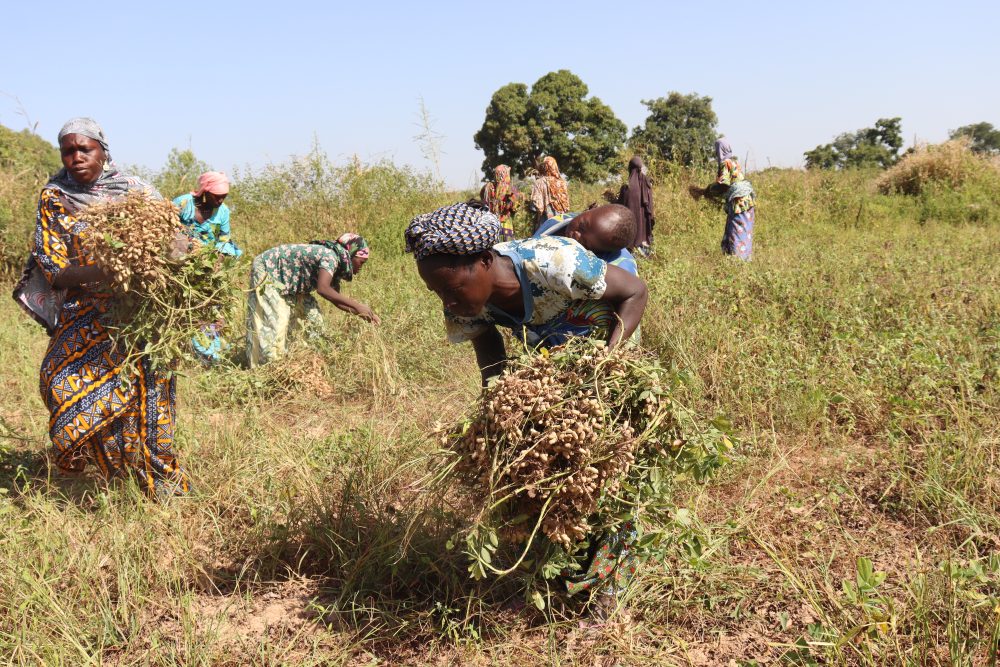
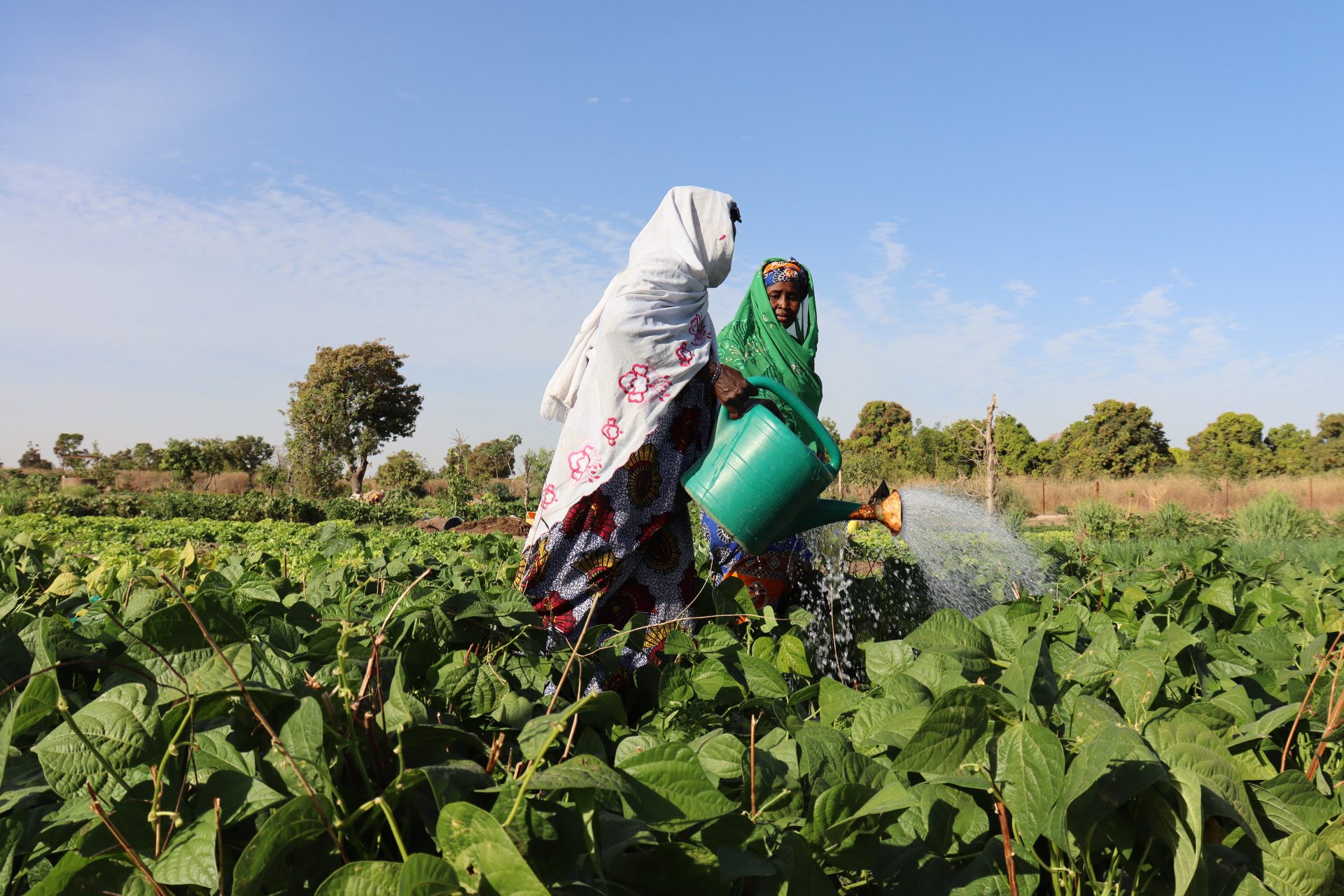
For the fifth consecutive year, the Dou Touloma project continued to support women farmers in Mali, helping to strengthen their agency and their role within their families, organizations, and communities.
As the project nears its conclusion, this past year's activities focused on consolidating achievements to ensure they continue to have a lasting impact long after the project ends.
Transforming Social Norms
This year, 749 men participated in workshops on positive masculinity, the equitable sharing of responsibilities, gender-based violence, and self-esteem.
Meanwhile, 473 women continued their literacy journey, developing skills relevant to their agricultural activities and advancing gender equality.
Three associations of rural women entrepreneurs also carried out awareness-raising campaigns on the economic rights of women farmers.
Strengthening Inclusive Governance
Analysis of the project's results over the past year shows that women's voices are being heard more and more within their organizations.
Today, 97% of women members participate in decision-making, 91% report being satisfied with the influence they have within their organizations, and 99% use the services offered by their cooperative.
Investing in Communities
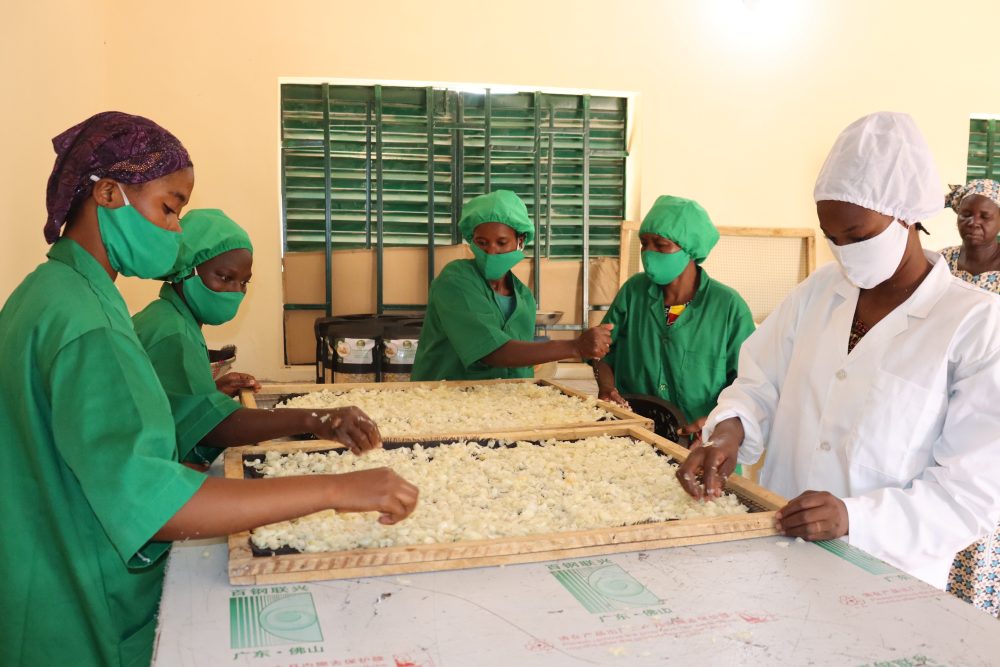
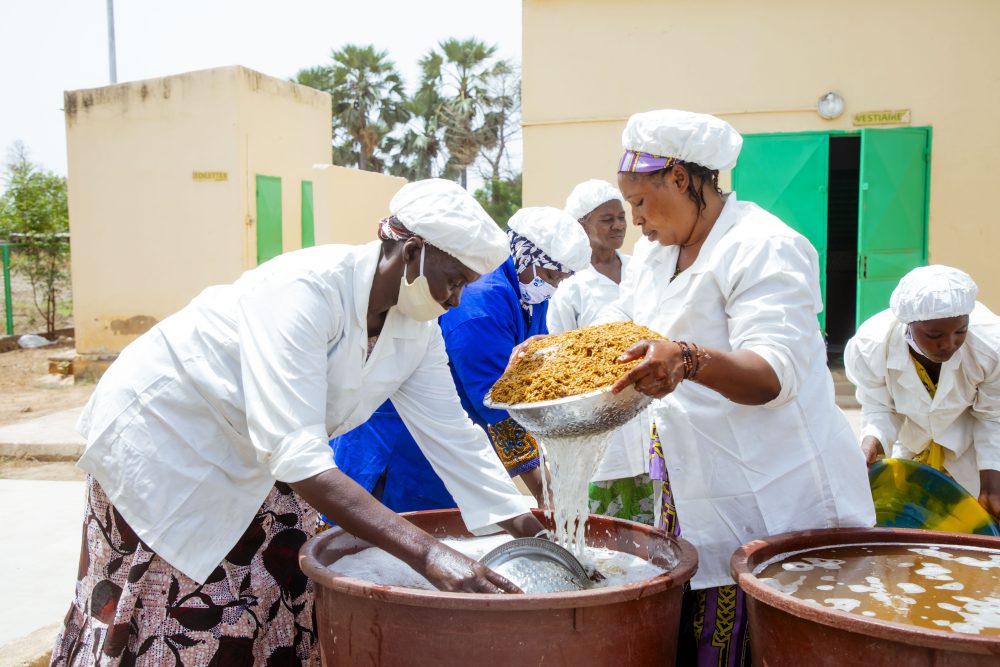
Following the allocation of economic support funds, several community investments supported by the project are now underway. Agri-food processing initiatives, agricultural storage facilities, and community gardens are already operational and contributing to the revitalization of the local economy.
In addition, 354 community leaders received training in a range of management tools to help continue supporting local organizations after the project comes to an end.
Dou Touloma will continue until October 2026. Until then, one thing is certain: the women participating in the project are increasingly establishing themselves as key drivers of the social and economic development of their families and communities.
The Dou Touloma project is implemented by the International Agricultural Alliance, which brings together SOCODEVI, CECI, UPA Développement international (UPA DI), and Desjardins International Development (DID). The project is made possible through financial support from the Government of Canada, provided through Global Affairs Canada.